













Starting a family is a joyful milestone — but for couples facing fertility challenges, the path there can be difficult. If you're considering in vitro fertilization (IVF), you likely have questions: What exactly is IVF? Who is it right for? How successful is it? TFC answers everything you need to know.
What Is IVF? 4 Techniques You Should Know
In vitro fertilization (IVF) retrieves a woman's eggs and a man's sperm, fertilizes them in a laboratory, cultures the resulting embryo, and transfers it into the uterus to continue developing into a pregnancy. IVF is one of the most effective clinical treatments available for infertility, and it has given countless couples hope — and new life.
TFC's founder, Dr. Chii-Ruey Tzeng, helped bring Taiwan's first IVF baby into the world in 1985, opening a new chapter in the country's reproductive medicine.
Since then, IVF technology has evolved into four main techniques:
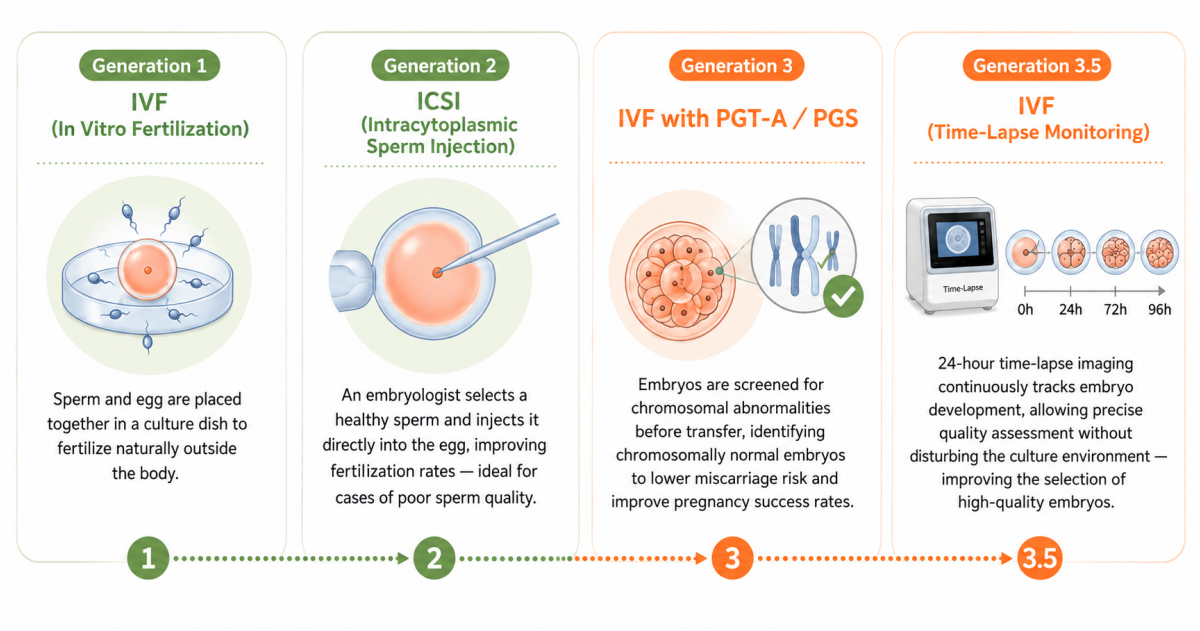
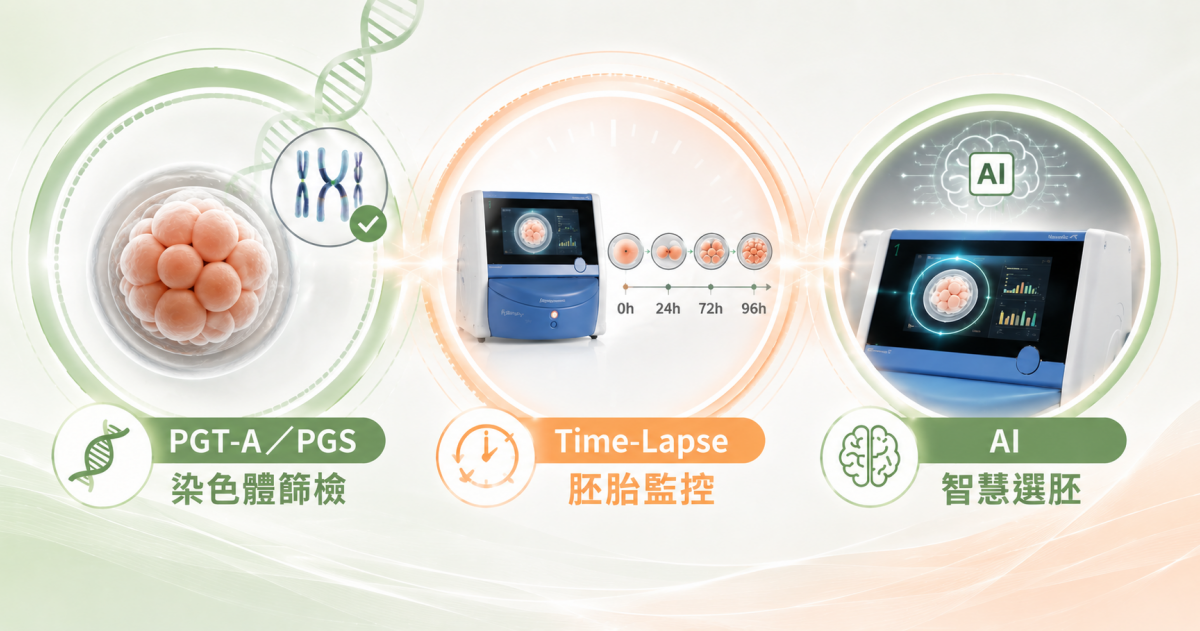
TFC combines three advanced technologies — PGT-A/PGS chromosomal screening, time-lapse embryo monitoring, and AI-assisted embryo selection — together with a highly experienced physician team, to optimize every stage from embryo quality and developmental potential to transfer strategy, keeping IVF success rates at an internationally competitive level.
Read more: Gender Selection Myths in IVF — 4 Techniques Explained, and the Only Legal Reason to Choose
Who Is IVF For? IUI vs. IVF
Under Taiwan's Assisted Reproduction Act, only legally married heterosexual couples may undergo IVF treatment. If you and your partner have had regular, unprotected intercourse for more than six months without conceiving, we recommend visiting a fertility center for an infertility evaluation and discussing the most suitable treatment options with your doctor.
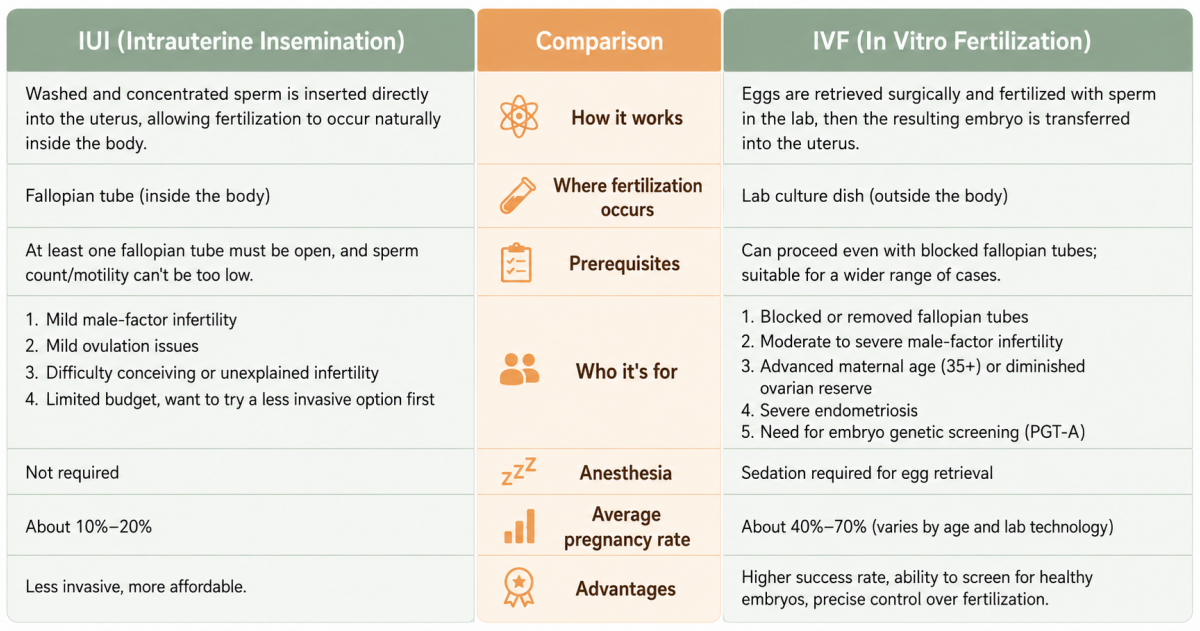
Based on clinical experience, we recommend the following groups consider IVF:
- Women aged 35 or older, or with a low ovarian reserve
- Blocked or adhered fallopian tubes
- Endometriosis
- A history of recurrent miscarriage
- Poor sperm quality or low sperm count
- A family history of chromosomal or genetic disorders
- More than 3 failed IUI (intrauterine insemination) cycles
- Unexplained infertility
How Long Does IVF Take? The Treatment Process
Wondering how IVF might fit into your life, and how long the process really takes?
The total timeline varies by individual, but on average, a full IVF cycle takes about 3–6 months, including pre-treatment preparation, follicle monitoring, egg retrieval, embryo transfer, and pregnancy confirmation.
Treatment begins with a comprehensive fertility evaluation — hormone testing, uterine and fallopian tube exams, and semen analysis. Ovulation induction medication then stimulates the ovaries, with ultrasound and blood tests tracking follicle development. Once the eggs mature, they're retrieved and fertilized with sperm in the lab. The resulting embryos are cultured, and the highest-quality embryo is selected for transfer, supported by progesterone and other hormones to aid implantation. About 14 days after transfer, a blood test checks HCG levels to confirm pregnancy.
How High Is the IVF Success Rate?
IVF success rates depend on many factors — age, egg and sperm quality, embryo and uterine condition, and the technology used. According to Taiwan's Health Promotion Administration, the pregnancy success rate is about 41.5% for women under 38, and about 31% for women 38 and older. TFC's success rate is near 70% for women under 38 and about 64% for women 38 and older — above the national average and among the highest globally.
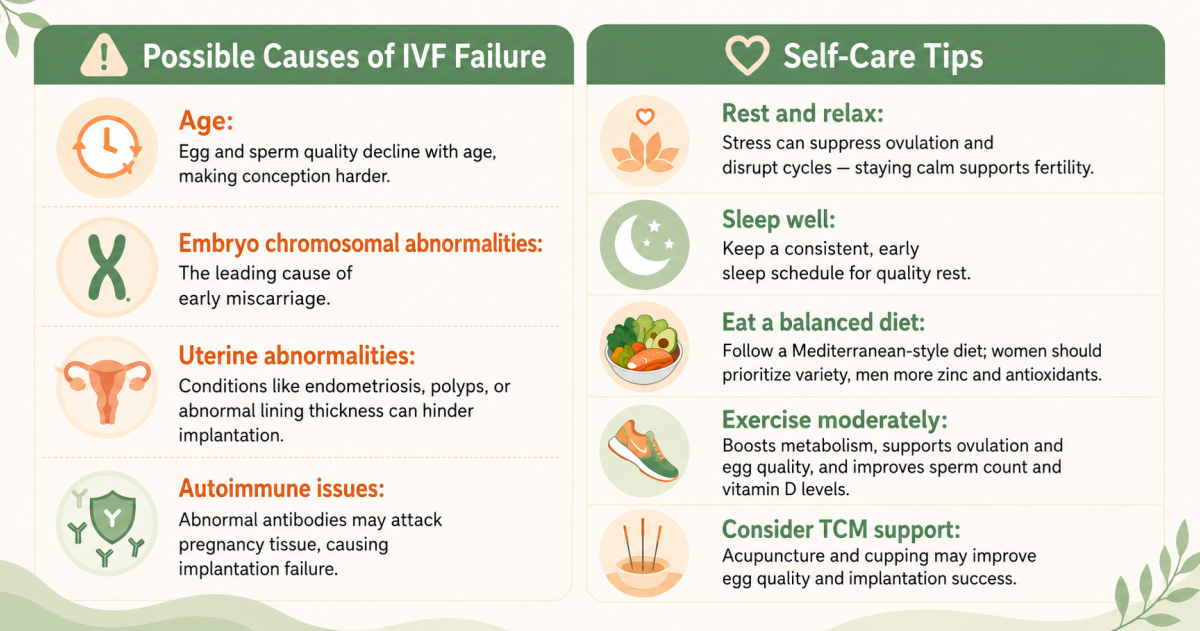
Read more: Signs of Failed Embryo Implantation: 3 Common Causes and Recovery Tips
Side Effects and Complications After Embryo Transfer
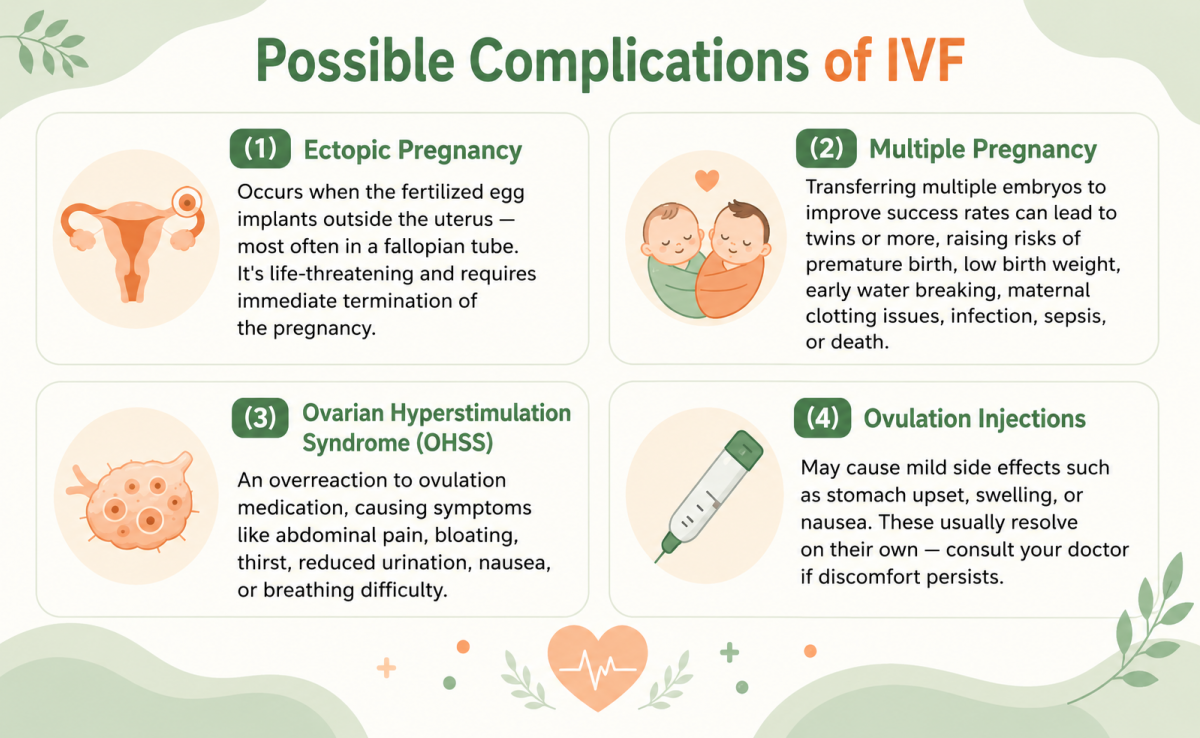
IVF helps many couples build their families, but embryo transfer can come with side effects and complications. Understanding these risks in advance can help you feel more prepared.
Read more:
- IVF Side Effects: 3 Prevention Tips and Common Questions
- What Are Ovulation Injections, and Why Are They Essential for Fertility Treatment?
What to Know Before, During, and After Embryo Transfer
Embryo transfer is the final step of the IVF journey — a moment that's often both exciting and nerve-wracking. Here's what to keep in mind before and after transfer to support successful implantation:
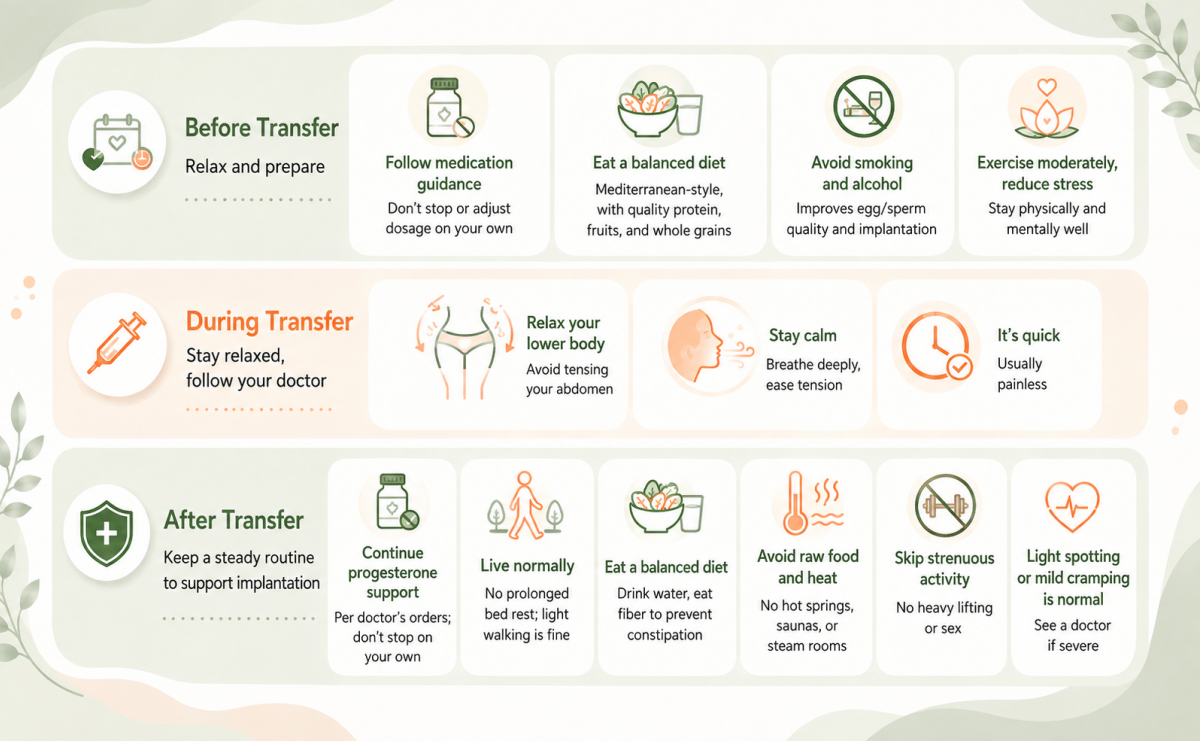
Preparing your body beforehand, staying relaxed during transfer, and following your medication schedule and routine afterward are all key to helping the embryo implant successfully.
Read more:
- What Is Progesterone, and Why Is It Prescribed? A 3-Minute Guide
- Nutrition After Embryo Transfer: A Mom-to-Be's Guide to Eating Well
Frequently Asked Questions About IVF
Q: Are there any long-term effects for children conceived through IVF?
According to research, IVF does not appear to cause significant long-term effects on a child's health or development. Children conceived through IVF grow up no differently than those conceived naturally.
Q: Is the chance of twins higher with IVF?
IVF typically prioritizes single-embryo transfer, but in some cases, multiple embryos are transferred to improve pregnancy odds — which does raise the chance of twins compared with natural conception.
Q: Can you choose the baby's sex with IVF?
Under Taiwan's Assisted Reproduction Act, couples cannot choose the sex of their baby through IVF — except when one partner carries a sex-linked genetic condition, such as hemophilia, color blindness, or spinal muscular atrophy. In these cases, PGT-A genetic screening may be used to identify embryo sex in order to reduce the risk of passing on the condition.
Q: How many embryos should be transferred in one cycle?
This depends on the woman's age and health. For younger, healthy women, doctors typically recommend transferring 1–2 embryos to reduce the risk of multiple pregnancy. For older women or those with multiple failed cycles, doctors may recommend transferring more than 2 embryos to improve the chance of success.
Q: What should I do before embryo transfer?
- Follow your doctor's instructions: Take ovulation medications and other prescribed drugs on schedule.
- Eat well: Maintain a balanced diet — a Mediterranean-style diet is often recommended for adequate nutrition and energy.
- Avoid smoking and alcohol: Both can affect egg and sperm quality.
- Manage stress: Stay relaxed and consider light exercise to help ease anxiety.
Q: What should I eat after embryo transfer?
- Quality protein: Fish, chicken, and legumes support cell repair and immune function.
- Fresh fruits and vegetables: Rich in vitamins and antioxidants for overall health.
- Whole grains: Brown rice and oats provide sustained energy.
- Adequate hydration: Supports healthy metabolism.
Q: How soon after transfer can I take a pregnancy test?
Most clinics schedule a pregnancy test about 14 days after embryo transfer, using either a blood test or a urine test.
Q: What symptoms might occur after embryo transfer?
- Mild cramping: Similar to period discomfort, usually a normal sign of implantation and typically short-lived.
- Light spotting: Small amounts of vaginal bleeding or pink discharge may occur with implantation.
- Breast tenderness: Hormonal changes can cause breast swelling or sensitivity.
- Fatigue: Hormonal shifts can leave you feeling more tired than usual.
Read more:
- Is the Chance of IVF Twins Higher? Understanding the Risks
- Can You Choose Your Baby's Sex with IVF? 6 Common Questions Answered
Why Choose TFC Taipei Fertility Center — Success Rates Near 70%
TFC Taipei Fertility Center is led by Dr. Chii-Ruey Tzeng, widely regarded as the pioneer of IVF in Taiwan, backed by a physician team with an average of over 20 years of clinical experience. TFC's IVF success rate is near 70%, and it is currently the only fertility center in Taiwan to hold the national SNQ Quality Mark.
TFC specializes in complex cases — including patients of advanced maternal age, low ovarian reserve, and repeated IVF failure. Whatever your situation, our team provides personalized treatment plans and support throughout your journey toward parenthood.
TFC operates an advanced, cleanroom-grade laboratory — one of the few in the region with positive-pressure design. The lab is equipped with 3 time-lapse incubators for more precise, secure embryo culturing, overseen by experienced embryologists who optimize conditions for every embryo.
Beyond advanced IVF technology, TFC also offers Traditional Chinese Medicine consultations, psychological counseling, and nutrition counseling, providing comprehensive medical and emotional support to help patients achieve their best physical and mental state throughout treatment.
With its high success rates, expert team, and advanced facilities, TFC Taipei Fertility Center is a trusted choice for families pursuing IVF. Book a consultation today and take the next step toward starting your family.