












MENU

本網站為TFC委由台北醫學科技股份有限公司維護管理
1
What Is Egg Freezing
Egg freezing is a technology that allows women to preserve healthy eggs for future use—essentially, a form of fertility insurance taken out in advance. In Taiwan, single women are permitted to undergo egg freezing, with the process typically taking about 2 to 3 weeks. Before starting treatment, blood testing is required, followed by a coordinated schedule of monitoring and medication. When the woman is ready to have children in the future, the preserved eggs can be thawed and used together with her spouse's sperm to undergo IVF treatment.
2
Who Should Consider
Egg Freezing?
Women around age 35 or older who do not have marriage or childbearing plans in the near future.
Women with severe endometriosis accompanied by declining AMH levels.
Female cancer patients about to undergo chemotherapy or radiation therapy for a serious illness or cancer.
Others: including a family history of premature ovarian failure, autoimmune diseases, and similar conditions.
3
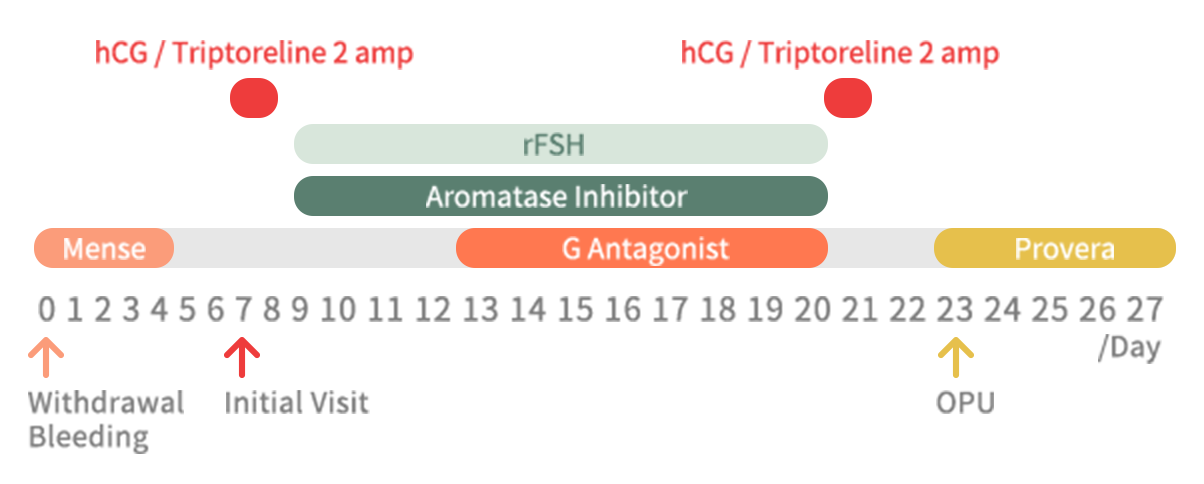
Steps of Egg Freezing
1. Pre-cycle testing and consultation
I. Basic fertility analysis via blood test or ultrasound
II. Health history taking
2.Ovarian stimulation during menstrual cycle on day 1-3
Medication use for stimulating multiple-egg growth
3. Follow up during day 8-13
I. Blood taking for monitoring hormonal change
II. Measuring egg size and maturity
III. Determination of the date for egg retrieval
4. Egg retrieval on day 14-16
I. Transvaginal oocyte retrieval done under mild sedation
II. Minimized discomfort and risk of infection by using painkillers and antibiotics
4
Common Myths About Egg Freezing
There's a common rumor online that egg freezing can cause early menopause, lead to premature ovarian failure, or that the egg retrieval procedure can damage the ovaries, or that freezing itself can harm the eggs. In reality, egg freezing technology is now very well established, and pregnancy outcomes using thawed frozen eggs are comparable to those using fresh eggs. It is a very safe method of fertility preservation and does not cause any of the issues mentioned above. Only a very small percentage of women may experience "ovarian hyperstimulation syndrome" following the egg retrieval procedure.
5
Meet Our Specialists
Take the first step

