













What is an ovulation injection? Why is it indispensable on the journey to conception?
For women preparing for IVF or egg freezing treatments, the term "ovulation injection" is no stranger. This medication plays a crucial role in controlled ovarian stimulation by prompting the ovaries to produce multiple mature eggs, increasing the likelihood of pregnancy or supporting future egg freezing plans.
This article will cover the basics of ovulation injections, the administration process, potential side effects, contraindications, and important precautions—equipping you with a comprehensive understanding to confidently embark on your fertility journey.
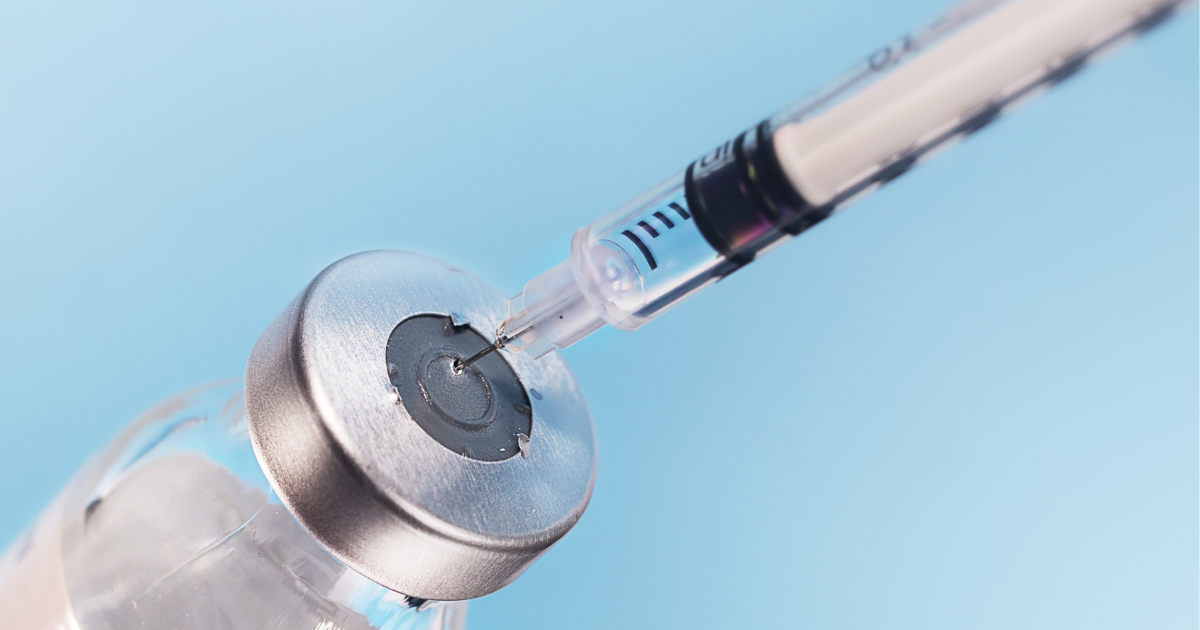
What is an ovulation injection?
An ovulation injection is a type of injectable medication primarily used to stimulate ovarian follicles' maturation. It is commonly used in the following scenarios:
1. To promote natural pregnancy: Helps women with ovulation disorders induce ovulation.
2. For assisted reproductive technologies like IVF, it stimulates the maturation of multiple eggs, increasing the chances of successful embryo culture.
3. For egg freezing: Helps women retrieve an adequate number of eggs during their optimal ovarian function period to preserve fertility.
Types of ovulation injections:
Ovulation injections come in short-acting and long-acting types. Short-acting injections require daily administration, while the long-acting one lasts up to 7 days, with dosing schedules customized for individual needs.

Ovulation injection procedure and steps:
1. Ovarian stimulation:
Under medical supervision, ovulation-stimulating hormones are injected daily or every few days to promote follicle growth.
2. Ovulation Monitoring:
Regular follow-up appointments involve ultrasound scans and blood tests to monitor follicle size and hormone levels, ensuring follicles mature properly, and detecting any signs of ovarian hyperstimulation.
3. Trigger Injection:
Once follicles reach the optimal size, the doctor administers a trigger injection to precisely control ovulation timing, in coordination with egg retrieval or intrauterine insemination.
What are the side effects of ovulation injections?
While ovulation injections are highly effective in assisting conception, potential side effects should be noted.

Common side effects:
Injection site discomfort: redness, bruising, or mild pain.
Hormonal changes: headache, nausea, abdominal bloating, or breast tenderness.
Less common but serious side effects to watch for:
Ovarian Hyperstimulation Syndrome (OHSS): A potentially serious complication caused by an excessive ovarian response. Symptoms include abdominal swelling, rapid weight gain, and difficulty breathing, requiring immediate medical attention.
Increased risk of blood clots: Hormonal changes may elevate the risk of thrombosis, especially in patients with a history of clotting disorders, warranting careful monitoring.
Certain individuals should only use ovulation injections under careful medical evaluation and supervision, including:
1. Patients with severely diminished ovarian reserve:
For women whose ovarian reserve is nearly or completely depleted, ovulation injections may have limited effectiveness.
2. Patients with hormone-related conditions:
Individuals with hormone-sensitive diseases such as breast cancer or endometriosis may experience worsening of their condition when using ovulation injections.
3. Polycystic Ovary Syndrome (PCOS) patients:
PCOS patients are often more sensitive to ovulation stimulation and have a higher risk of developing OHSS. Strict medical supervision is essential during treatment.
4. Patients with a history of thrombosis or cardiovascular disease:
Ovulation injections may increase the risk of blood clots, so patients with a relevant medical history must be closely monitored.
5. Patients with drug allergies:
Any known allergy to components of the ovulation injection must be reported to the physician immediately to prevent severe allergic reactions.

How to minimize the risks of ovulation injections?
Under the guidance of a professional medical team, the following steps can help reduce the risks associated with ovulation injections:
Proper injection technique: Ensure the injection site and angle are correct to prevent subcutaneous bleeding.
Regular monitoring: Ultrasound and hormone tests enable early detection of any abnormalities.
It's also essential to stay vigilant for side effects. If severe symptoms occur, contact medical professionals promptly and arrange for immediate medical follow-up.