













Progesterone, also known as the "pregnancy-supporting hormone,"plays a vital role in women's reproductive health. It helps regulate key bodily functions and stabilize the uterine lining, making it essential in both natural conception and IVF treatments.
In this article, we'll take a closer look at what progesterone is, why supplementation is necessary, and when it is needed during IVF treatment cycles. We have also compiled frequently asked questions to help hopeful couples and mothers-to-be better understand their bodies and improve their chances of a successful pregnancy.
What Is Progesterone? Key Functions Explained
Progesterone is a hormone secreted by the corpus luteum in a woman's ovaries. It is produced during the luteal phase after ovulation as part of the normal menstrual cycle. Its primary role is to support the thickening of the uterine lining (endometrium). If pregnancy does not occur, progesterone levels gradually drop, leading to the shedding of the uterine lining and the onset of menstruation.
Beyond regulating the menstrual cycle and maintaining hormonal balance, progesterone plays a crucial role during the preconception and early pregnancy stages—creating a supportive environment for embryo implantation and facilitating healthy embryo development.
Upon successful conception, progesterone also helps prevent the maternal immune system from rejecting the fetus, and reduces the risk of preterm labor, bleeding, or miscarriage.
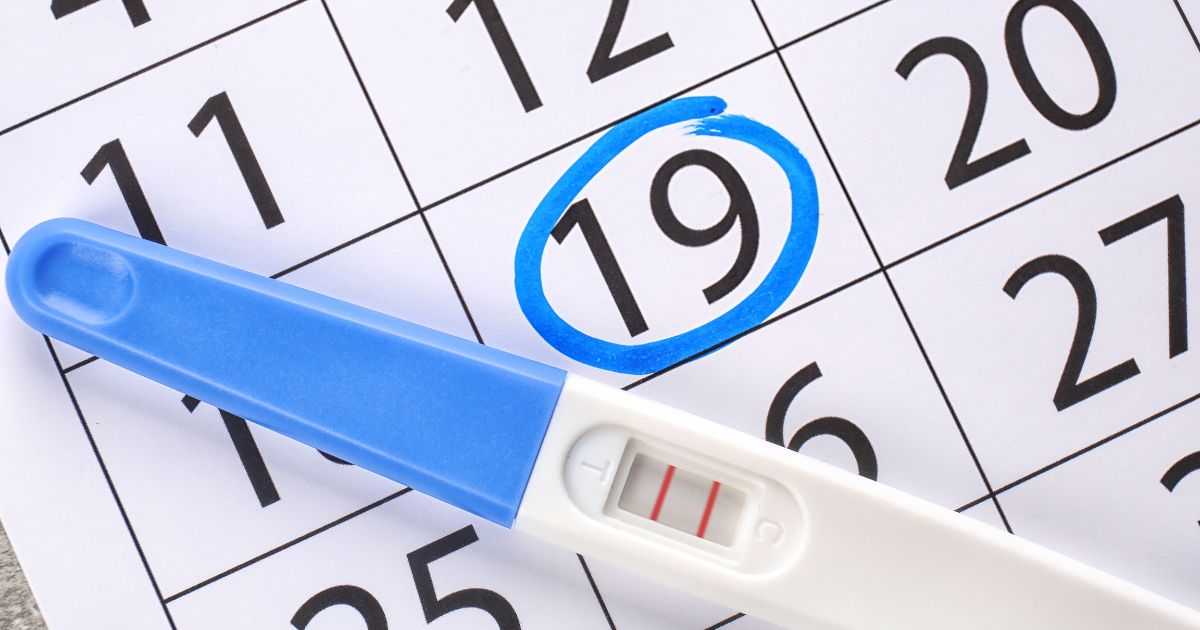
Why Take Progesterone? Signs and Symptoms of Low Progesterone
When progesterone levels are too low, women may experience a variety of physical and reproductive health issues. Contributing factors include age, certain health conditions (such as hypothyroidism or polycystic ovary syndrome), chronic stress, ovulation disorders, and obesity. Unhealthy lifestyle habits—such as staying up late, smoking, or excessive alcohol consumption—may also disrupt the body's natural progesterone production.
Common symptoms of low progesterone include:
- Irregular menstrual cycles: Disruptions in cycle length or abnormal menstrual flow
- Premenstrual syndrome (PMS): Spotting before periods, mood swings, and sleep disturbances
- Difficulty conceiving: Implantation failure or increased risk of miscarriage
- Other conditions: Endometriosis, uterine fibroids, or precancerous changes in the endometrium
If you experience any of these symptoms, please consult a healthcare professional. Following a proper medical evaluation, your doctor may recommend progesterone supplementation to help restore hormonal balance.
When Is Progesterone Supplementation Needed During IVF Treatment?
Now that we understand what progesterone is and why it is important, let's explore when progesterone supplementation is needed during an IVF treatment cycle.
Before Embryo Transfer
In IVF treatment, once the uterine lining reaches an appropriate thickness, your doctor will typically begin progesterone supplementation 3 to 5 days before embryo transfer to prepare the uterus for the secretory phase, creating an optimal environment for the embryo to implant and develop successfully.
After Embryo Transfer
Insufficient progesterone levels after the transfer may lead to unstable embryo implantation. Therefore, it is recommended to continue progesterone supplementation for approximately 7 to 8 weeks post-transfer, until the placenta has fully developed and is able to produce sufficient hormones to maintain the pregnancy independently.
How Is Progesterone Supplemented? Common Questions Answered
Q: What are the available methods of progesterone supplementation?
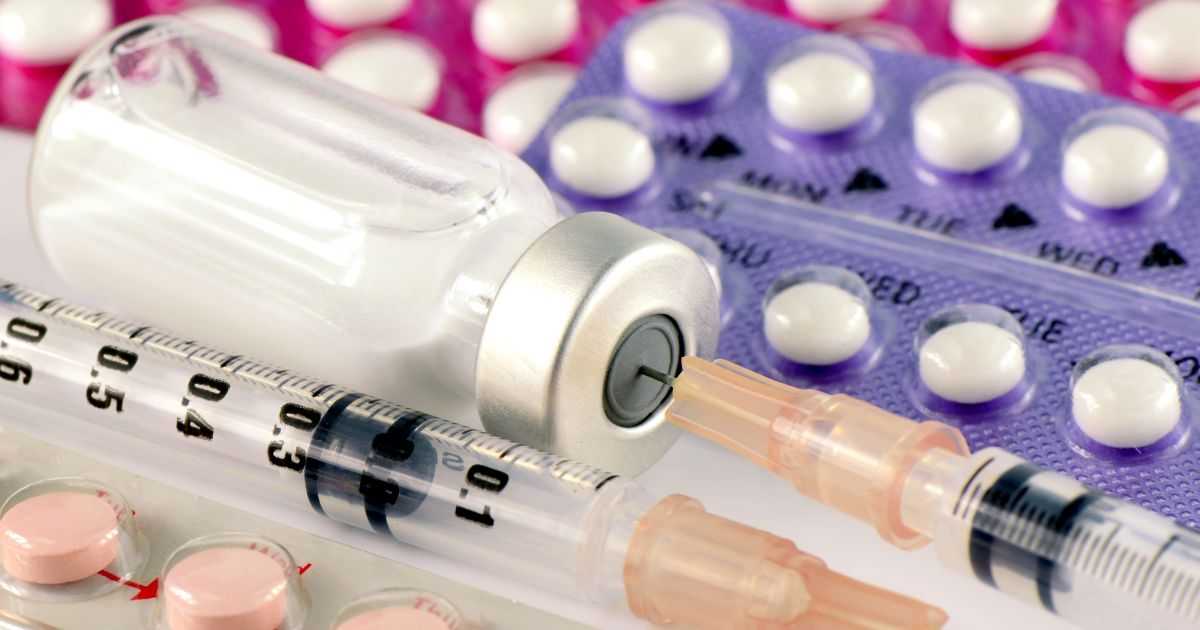
Progesterone can be supplemented in several ways, including oral tablets, vaginal suppositories, and injections, with the most suitable option depending on individual health conditions and medical guidance.
Oral progesterone is the most convenient method. For non-pregnant women, oral progesterone (often through birth control pills) helps regulate menstrual cycles and relieve premenstrual syndrome (PMS) symptoms. For women who are trying to conceive or are already pregnant, oral progesterone supports embryo implantation and helps create an optimal environment for pregnancy.
Vaginal suppositories —such as Utrogestan and Crinone— are also commonly used in assisted reproductive treatments. They help stabilize the uterine lining and reduce the risk of early pregnancy bleeding or miscarriage. A key advantage of vaginal suppositories is that they act directly on the uterine lining, offering good absorption with fewer side effects. However, this method may not be suitable for patients with recurrent vaginal infections.
Q: How long should progesterone supplementation continue after embryo transfer?
In IVF treatment, medications are often used to prepare the uterine environment for implantation, which may affect the ovaries' ability to produce progesterone naturally. Therefore, it is generally recommended to continue progesterone supplementation through 7 to 8 weeks of pregnancy to ensure stable embryo development within the uterus and maintain a healthy uterine lining.

Q: What are the side effects of progesterone supplementation?
Common side effects of progesterone supplementation include dizziness, nausea, constipation, palpitations, and breast tenderness. Excessive progesterone supplementation may lead to ovulation irregularities, fluid retention, bloating, acne (due to increased sebum production), and slowed metabolism, as well as mood changes or sleep disturbances.
It is important to follow your doctor's instructions when taking progesterone. Taking more than prescribed will not improve outcomes and may in fact be harmful. If side effects persist for several days or become severe, please notify your doctor promptly to discuss whether the dosage needs to be adjusted or the treatment approach modified.
Q: How to Use Utrogestan?
Before use, be sure to wash your hands thoroughly. Hold the thicker end of the applicator and gently shake it twice to move the gel toward the narrow tip.
Instructions:
Lie in a semi-reclined position with your legs slightly apart. Gently insert the rounded tip of the applicator into the vagina. Press the air chamber at the back to release the medication. Once the gel has been released, carefully remove the applicator to complete the process.
After use, you can generally continue with normal activities, which helps the medication dissolve and be absorbed. Excess gel will naturally be expelled through the vagina and does not require special cleaning. If you experience itching or discomfort due to residue, gently clean the external vaginal area with a sterile cotton swab.