












Endometriosis is one of the most common gynecological conditions among women today. Symptoms include menstrual pain, pelvic pain, diarrhea, and heavy menstrual bleeding, and in more severe cases it may also increase the risk of infertility and miscarriage.
So how is endometriosis treated, and can it get better? With appropriate treatment and healthy lifestyle habits, most patients are able to keep the condition under control and maintain their fertility. This article takes a closer look at what causes endometriosis, treatment approaches, and dietary recommendations, to help you ease uncomfortable symptoms and create a healthy foundation for conceiving.
Will Endometriosis Get Better?
Will endometriosis get better? Endometriosis is a common chronic gynecological condition that most often affects women between the ages of 25 and 45. It occurs when endometrial tissue, which would normally be shed from the body during the menstrual cycle, instead grows in places where it doesn’t belong, such as the ovaries, fallopian tubes, pelvic cavity, or bladder, due to abnormal shedding. This can trigger inflammation and adhesions or put pressure on nearby organs, leading to symptoms such as lower abdominal pain, painful intercourse, pelvic pain, painful urination, blood in the urine or stool, and abnormal menstrual bleeding. In more severe cases, it may also increase the risk of infertility or miscarriage.
In clinical practice, treatment usually involves medications such as pain relievers, birth control pills, or hormonal therapy, which work by suppressing the growth of endometrial tissue to relieve symptoms. But will endometriosis get better? In fact, a complete cure is very difficult to achieve. Surgery is currently the main medical approach aimed at removing the condition, but even after a successful operation, endometriosis may come back.
How Does Endometriosis Affect Fertility?
Endometriosis is one of the common causes of female infertility. Roughly 30% to 50% of women with infertility are reported to have endometriosis. In general, the milder the condition, the smaller the impact on fertility, while more severe disease is associated with a higher risk of infertility. The ways in which endometriosis affects fertility are complex, and common factors include:
- Chronic inflammation affecting the environment for conception: Misplaced endometrial tissue can trigger chronic inflammation in the pelvic cavity, leading to adhesions in the pelvic cavity and fallopian tubes, which may block the tubes and reduce the chances of successful embryo implantation.
- Adhesions blocking the fallopian tubes: If endometrial growth causes adhesions in the pelvis and fallopian tubes, the tubes may become blocked, preventing the egg and sperm from meeting.
- Reduced egg quality and ovulation function: Inflammation and organ adhesions may damage ovarian function, which can lower egg quality, cause irregular ovulation or anovulation, and increase the risk of infertility.
- Higher risk of miscarriage: Even when conception is successful, the uterine environment of women with endometriosis may be less stable.
What Are the Dietary Restrictions for Endometriosis?
While diet cannot cure endometriosis directly, healthy eating habits may help stabilize hormones and reduce inflammation, which can support better management of the condition. On the other hand, regularly eating foods that are highly irritating, that promote estrogen production, or that interfere with hormone metabolism may make symptoms worse and increase discomfort. Here is a list of foods to limit or avoid with endometriosis:
- Alcohol and caffeine
- Gluten and processed foods (such as toast, cookies, pancakes, and chocolate)
- Spicy or irritating foods
- Cold and raw foods
- Foods high in estrogen
- Saturated fats and trans fats (such as red meat, fried foods, pastries, and desserts)
Dietary Recommendations for Endometriosis: Key Nutrients to Help Relieve Symptoms
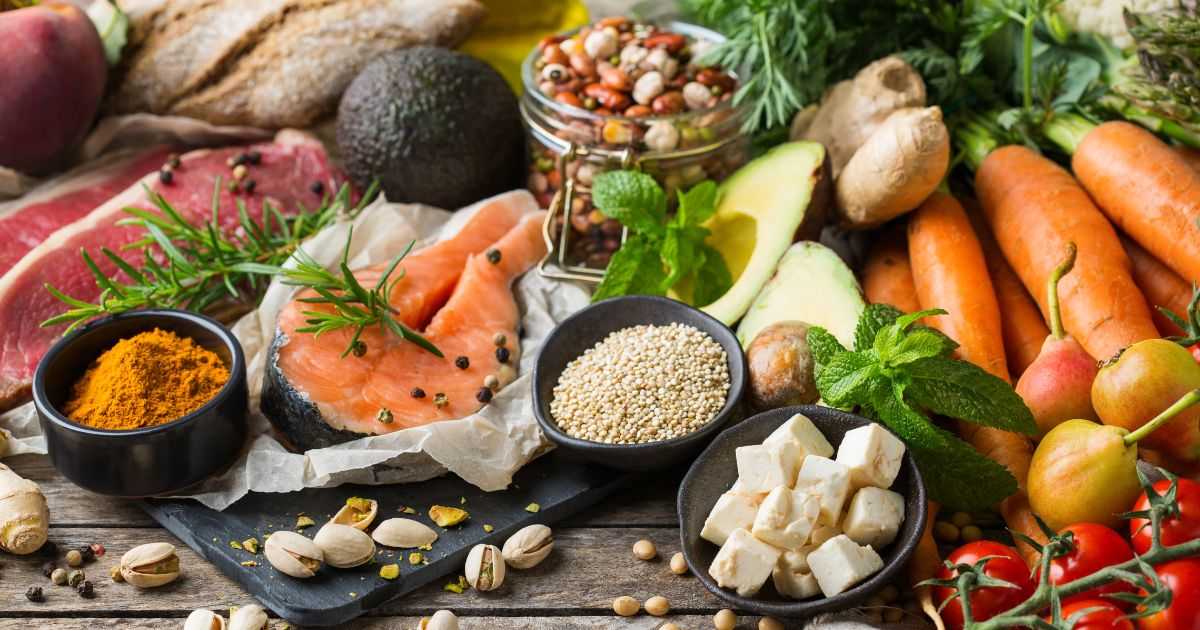
In addition to avoiding foods that may worsen symptoms, choosing the right nutrients may help stabilize hormones and ease discomfort. For example, vitamins with antioxidant and anti-inflammatory properties may help reduce and soothe inflammation. Here are nutrient-focused dietary recommendations for people with endometriosis:
- Foods rich in vitamin A: fish, milk, pumpkin, carrots, tomatoes, sweet potatoes, etc.
- Foods rich in vitamin C: guava, kiwi, cherry tomatoes, dark leafy greens, etc.
- Foods rich in vitamin D: mushrooms, fish, wood ear mushrooms, eggs, etc.
- Foods rich in vitamin E: nuts, tomatoes, carrots, avocado, kiwi, salmon, etc.
- Foods rich in magnesium: avocado, nuts, tofu, bananas, dark leafy greens, etc.
- Foods rich in zinc: oysters, shrimp, nuts, cheese, yogurt, milk, etc.
- Fruits and vegetables with antioxidant and anti-inflammatory properties: raspberries, blueberries, cranberries, broccoli, cabbage, etc.
- Foods rich in omega-3 fatty acids: salmon, mackerel, flaxseeds, walnuts, etc.
Endometriosis Infertility Consultation | Learn About the Evaluation Process and Our Services
Will endometriosis get better? Although endometriosis cannot be completely cured, early diagnosis, appropriate treatment, and healthy lifestyle habits can help relieve symptoms, keep the condition stable, and may improve the chances of pregnancy. If you are planning to conceive, we recommend seeking help from a specialized reproductive medicine team, who can support you with intrauterine insemination (IUI) and develop a fertility plan that suits you best.
TFC Taipei Fertility Center was founded by Dr. Chi-Jui Tseng, a pioneer in reproductive medicine. Our team brings together experienced professionals from a range of fields, including senior directors and physicians, anesthesiologists, embryologists, nutritionists, nurses, pharmacists, and counselors. We offer comprehensive, one-stop fertility care, from consultation and testing to treatment and post-procedure care, in a comfortable clinic environment designed to help every patient feel at ease while preparing for pregnancy.
Booking an infertility evaluation is simple. Make an appointment through the TFC Taipei Fertility Center website, then check in at the front desk on the day of your visit and fill out some basic information. Our medical team will arrange an ultrasound, blood tests, or endoscopic examination, followed by a consultation. Based on your test results, your doctor will create a personalized treatment plan for you. Contact TFC Taipei Fertility Center today, and let our medical team support you on your journey toward welcoming a new life.
Read more:
What Is IVF? Why Is Progesterone Needed? Answers to Common IVF Questions