













As society evolves, many women prioritize career and personal growth, delaying childbirth beyond the traditionally ideal age. However, biology doesn't pause—egg quality naturally declines with age. If you'd like to know more about egg freezing and are wondering what the optimal age is to consider it, this technology may be one of the most valuable gifts you can give yourself.
Egg freezing enables women to preserve their fertility at its peak, giving them greater control over their lives and enabling them to pursue motherhood at the most suitable time, free from the constraints of age and biology.

What Is Egg Freezing, and Why Should Women Consider It?
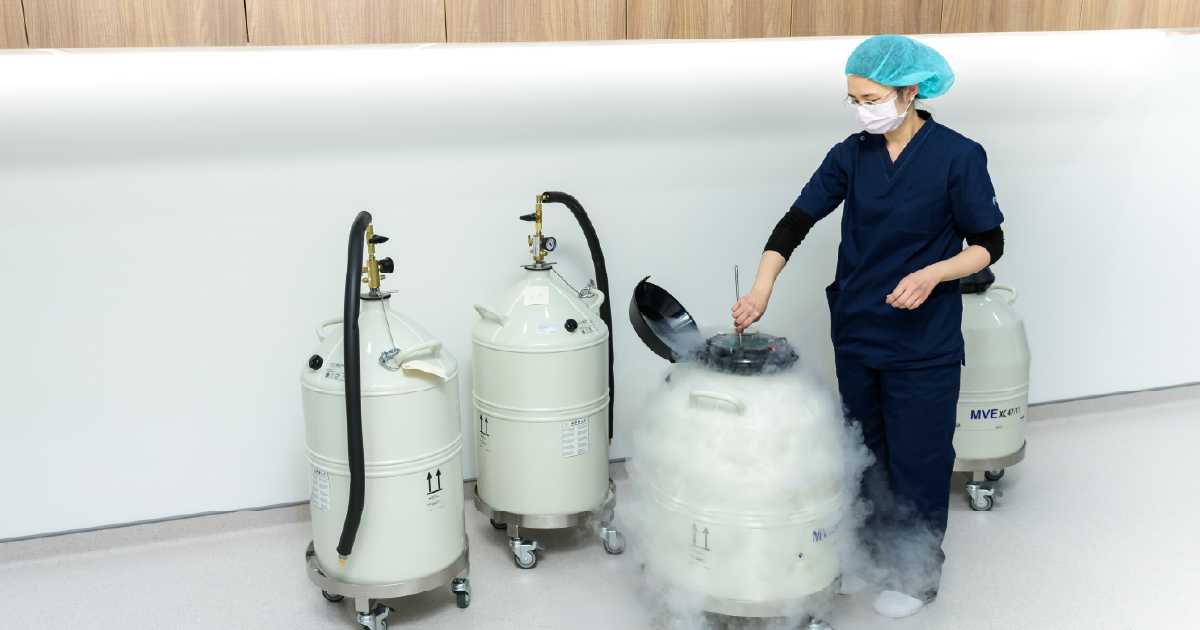
Egg freezing, medically known as oocyte cryopreservation, is a reproductive technology that involves retrieving a woman's eggs, freezing them in liquid nitrogen at -196°C, and storing them for future use. This technology allows women to preserve high-quality eggs during their prime reproductive years, providing greater flexibility and autonomy in their future family planning.
Women choose egg freezing for a variety of reasons—such as pursuing career goals while delaying childbearing, safeguarding fertility ahead of medical treatments or health risks, or alleviating the pressure of age-related fertility concerns. Egg freezing is more than a medical procedure; it is a proactive life decision that empowers women to pursue their goals without worrying about missing the optimal window for motherhood.
When Is the Best Age for Egg Freezing? Who Should Consider It?
The recommended actions vary by age, as fertility changes over time:
- Ages 20–30: Regularly monitor Anti-Müllerian Hormone (AMH) levels through a simple blood test to assess ovarian reserve and plan ahead.
- Ages 30–35: This is generally the optimal window for egg freezing, offering the best balance of egg quantity and quality. It is particularly well-suited for women who are pursuing their life goals but are not yet ready to start a family.
- Age 35+: As egg quantity and quality begin to decline more rapidly, earlier action is strongly encouraged—if you hope to have children in the future, the sooner you freeze your eggs, the better.
Who Should Consider Egg Freezing?
Egg freezing may be especially suitable for:
- Single women planning to delay childbirth
- Career-focused women who are currently postponing pregnancy
- Women facing health conditions or treatments that may impact future fertility
- Married women who want to proactively preserve their fertility for future family planning
Regardless of age or life stage, understanding your fertility status and taking timely action is a wise choice that empowers women to keep more options open—without being held back by biological limitations.
How Does Egg Freezing Work? A Complete FAQ
This comprehensive guide covers common questions about egg freezing, including the procedure itself, how to use stored eggs, potential side effects, costs, and how to choose the right fertility clinic. It is designed to give you the knowledge and confidence to make informed decisions about your reproductive future.
Q: What does the egg freezing process involve?
The egg freezing cycle typically takes about 14 days, encompassing an initial assessment, ovarian stimulation, follicle monitoring, egg retrieval, and cryopreservation. Our professional medical team oversees every step to ensure the safety and quality of each stage throughout the process.
Q: How can frozen eggs be used to achieve pregnancy in the future?
Conceiving with frozen eggs requires an IVF (in vitro fertilization) cycle. The frozen eggs are thawed and fertilized with sperm in the laboratory; the resulting embryos are then cultured and transferred into the uterus. The entire process is managed by a specialized medical team to maximize the chances of a successful pregnancy.
Q: What are the potential side effects of egg freezing?
Most women experience only minimal side effects during and after the egg freezing process and can resume normal activities within a few days. Mild symptoms may include bloating, discomfort, or mild pain. Serious complications—such as Ovarian Hyperstimulation Syndrome (OHSS)—are rare but may require subsequent medical monitoring and support.
Q : How much does egg freezing cost?
The cost of egg freezing varies depending on the medical facility and individual treatment plan. On average, it ranges from NT$120,000 to NT$150,000, covering hormone injections, medications, the egg retrieval procedure, and other essential medical supplies. In addition, annual egg storage fees are approximately NT$10,000.
Q: If I don't plan to use my frozen eggs in the future, can I donate them to someone else?
No. Under the Assisted Reproduction Act, egg donation is strictly regulated and requires donors to meet specific criteria, including age limits, physical and psychological evaluations, and screenings for genetic and infectious diseases. Frozen eggs preserved for personal use typically do not undergo these screenings, making them unlikely to meet donation eligibility requirements. If you are considering egg donation, it is best to discuss the process with a healthcare professional before freezing your eggs.
Q: Will my menstrual cycle be affected after egg freezing?
Ovarian stimulation medications may temporarily affect your menstrual cycle. However, most women return to their normal cycle within a month after egg freezing. We recommend closely monitoring your body throughout the process, and consulting your doctor promptly if any persistent irregularities occur, to ensure your overall health and wellbeing.
Q: Will using frozen eggs affect fertilization rates or the chances of a successful pregnancy?
Through vitrification — a rapid freezing technique — frozen eggs now achieve a post-thaw survival rate of over 95%, significantly improving fertilization and pregnancy outcomes. Data comparing implantation and pregnancy rates show no significant difference between frozen and fresh eggs, and babies conceived from frozen eggs demonstrate healthy growth and development. Women can therefore rest assured that egg freezing is a safe and effective option for future family planning.
Q: How should I choose an egg freezing clinic?
When choosing an egg freezing clinic, key factors to consider include the expertise and experience of the medical team, the quality of laboratory equipment and technology, the clinic's success rates and safety records, and fee transparency and available payment options. Thorough research and comparison are recommended to help you identify the clinic that best suits your needs.
TFC Taipei Fertility Center: Excellence in Egg Freezing — Empowering Your Future, On Your Terms
TFC Taipei Fertility Center, a leading reproductive medicine provider in northern Taiwan, is renowned for its exceptional egg freezing services, making it a top choice for women seeking to preserve their fertility.
Led by the "Father of IVF in Taiwan" and a team of infertility specialists with over 20 years of experience, TFC offers women a safe, professional, and efficient egg freezing journey. With streamlined treatment protocols and cutting-edge technology, the entire process can be completed in as little as 14 days.
Located within Nanshan Plaza, TFC's state-of-the-art laboratory features dual uninterruptible power systems and liquid nitrogen tanks maintained at -196°C, ensuring the highest standards of egg storage safety.
TFC's services go beyond egg preservation. Our personalized precision treatment plans and one-stop service model are designed to optimize egg quality and quantity, ultimately maximizing IVF success rates.
Choosing to freeze your eggs with TFC gives you the freedom to pursue your professional and personal goals unconstrained by age or fertility timelines. It empowers you to retain reproductive autonomy, navigate the challenges of balancing multiple life roles, and safeguard both your quality of life and your future family-building choices.