












For many women of reproductive age, every period brings recurring lower abdominal pain and a sense of pelvic heaviness and bloating, and a dull ache may linger even between periods. These recurring pains may be linked to a gynecological condition that is often overlooked: endometriosis. Lower abdominal pain caused by endometriosis, in particular, is something many patients quietly live with for years.
This article takes a closer look at the causes of endometriosis, its 6 common symptoms, ways to relieve endometriosis-related lower abdominal pain, and how the condition may affect fertility. By recognizing changes in your body early and seeking professional treatment, pain and its impact on daily life can often be significantly reduced, quality of life can gradually recover, and you can be better prepared for future plans to conceive.
What Is Endometriosis? Can It Cause Lower Abdominal Pain?
Endometriosis occurs when tissue similar to the lining of the uterus (the endometrium) grows outside the uterine cavity, such as on the ovaries, fallopian tubes, peritoneum, or elsewhere in the pelvic cavity. This misplaced tissue still responds to the monthly hormonal changes. It continues to thicken, bleed, and break down along with the menstrual cycle. However, because it has no way to leave the body, it causes chronic irritation, leading to local inflammation, adhesions, and pain. This is one of the most common causes of lower abdominal pain in endometriosis.
The misplaced tissue is usually found in the pelvic cavity or lower abdomen. When nerves in these areas are irritated over a long period, patients often experience noticeable pain before and during their periods, and some may also feel a dull ache at other times. If inflammation continues to spread, it may also affect the bowel, bladder, or surrounding nerves, causing diarrhea, painful bowel movements or urination, blood in the urine, or blood in the stool. When adhesions form in the pelvic cavity, the function of the reproductive organs may also be affected, which can increase the risk of infertility and make daily life even more difficult.
How Do I Know If I Have Endometriosis? What Are the Symptoms?
Many people ask, “How can I tell if I have endometriosis?” In reality, it is difficult to diagnose endometriosis with certainty from symptoms alone. Still, the warning signs below can serve as a starting point for self-observation.
▍ Retrograde Menstruation
During a period, some menstrual blood may flow backward through the fallopian tubes into the abdominal cavity. This can leave endometrial cells on the ovaries, peritoneum, or other areas, where they may implant and grow, gradually forming lesions.
If your periods have been heavy since adolescence, often with blood clots, and are accompanied by digestive discomfort, painful bowel movements, or urinary discomfort during your period, and you also have a family history of endometriosis, it is advisable to schedule a gynecological checkup sooner rather than later.
▍ Severe Menstrual Pain
This type of pain often does not occur only during your period. Many people begin to feel discomfort a day or two before their period starts, and it may last until the end of menstruation. Some people experience pain so intense that they cannot work normally and need to take time off to rest.
If your period pain is noticeably worse than that of other women your age, has become more severe than before, or no longer responds well to pain relievers, pay close attention to whether it may be related to endometriosis-related lower abdominal pain. Seeing a doctor early can help reduce the impact of pain on your daily life.
▍ Pelvic Pain
Pelvic pain does not always occur only during your period. Some people repeatedly experience lower abdominal pain or a feeling of pressure even at other times, and symptoms may become more noticeable when sitting or standing for long periods or when using the toilet.
Many patients first assume the problem lies in the digestive or urinary system, but this kind of lower abdominal pain is often related to endometriosis. When misplaced tissue causes pelvic adhesions, it can involve the uterus, ovaries, bowel, or surrounding nerves, leaving the body in a state of ongoing discomfort.
▍ Painful Intercourse
If you feel a sharp or deep, dull pain during sex, it may be related to endometriosis. When misplaced tissue is present behind the uterus, in the rectovaginal septum, or on the pelvic wall, intercourse can become especially painful, affecting intimate relationships and quality of life.
How Can I Relieve Lower Abdominal Pain from Endometriosis?
When lower abdominal pain from endometriosis interferes with daily life, it doesn’t mean you have to simply endure it. With appropriate treatment and lifestyle adjustments, pain and discomfort can often be effectively reduced. Here are 7 common ways to relieve endometriosis-related lower abdominal pain:
▍ Medical Treatment
- Nonsteroidal anti-inflammatory drugs (NSAIDs): These work by inhibiting prostaglandins, which helps reduce uterine contractions and inflammation. When taken regularly as directed by your doctor, they may help ease menstrual pain and pelvic pain.
- Hormonal therapy: Options include oral contraceptives, progestins, or long-acting injections. These help manage the condition and relieve pain by suppressing ovulation and reducing the growth of endometrial tissue.
- Dienogest: This medication can suppress the growth of misplaced endometrial tissue and help relieve lower abdominal pain. It must be evaluated and prescribed by a doctor before use.
▍ Daily Lifestyle Adjustments
- Heat therapy and warm baths: These help relax the pelvic area and improve blood circulation, reducing cramping and pain.
- Moderate exercise and stretching: Strengthening the core muscles is recommended, as it may help stabilize the pelvis and improve circulation.
- Maintaining a healthy routine: Avoid staying up late and excessive stress, which may help keep hormone levels stable and ease discomfort.
- Managing emotions: Long-term pain can affect your mood. Talking with others, seeking counseling, or leaning on a support system can help you stay on track with treatment and reduce the emotional burden.

Can I Have a Baby with Endometriosis?
Many patients ask, “Does having endometriosis mean I can’t have children?” Not necessarily. The key factors are the severity of the condition, your age, your ovarian reserve, and whether other causes of infertility are present. Based on clinical experience, endometriosis can be classified as mild, moderate, or severe, and each stage has corresponding fertility strategies and treatment recommendations:
▍ Mild Endometriosis
In the mild stage, the pelvic structures usually remain normal. If ovulation is regular and sperm quality is good, ovulation-stimulating medication or injections may be used together with regular intercourse to increase the chances of natural conception. If you have been trying for a year without success, and ovulation and fallopian tube function are both normal, your doctor may recommend intrauterine insemination (IUI) or in vitro fertilization (IVF) to help the egg and sperm meet.
▍ Moderate Endometriosis
At this stage, adhesions often develop on the fallopian tubes or ovaries and can interfere with fertilization. Laparoscopic surgery may be considered to remove lesions and adhesions. After surgery, the next step toward pregnancy is planned based on whether the fallopian tubes are open, whether ovarian function is stable, and the patient’s age.
If you are young and your ovarian function is still fair, you may first try ovulation-stimulating medication within a set timeframe. If ovarian reserve has declined or the fallopian tubes are already damaged, going directly to IVF is usually recommended to make the most of the optimal window for conception.
▍ Severe Endometriosis
When endometriosis has severely damaged the fallopian tubes and ovaries, and extensive adhesions are present in the pelvic cavity, conceiving naturally becomes very difficult. Although surgery can address some of these problems, in most cases it is difficult to fully restore reproductive function.
Doctors usually recommend going straight to IVF. Through in vitro fertilization and embryo transfer, this approach bypasses fallopian tube obstruction and allows more controlled ovarian stimulation and egg retrieval, which may help improve the chances of pregnancy.
Can Endometriosis Cause Infertility? Book a Consultation
Endometriosis can increase the risk of infertility, especially when lesions block the fallopian tubes, reduce ovarian function, or cause pelvic adhesions. However, every woman’s body is different, and being diagnosed with endometriosis does not mean you have lost the chance to become a mother.
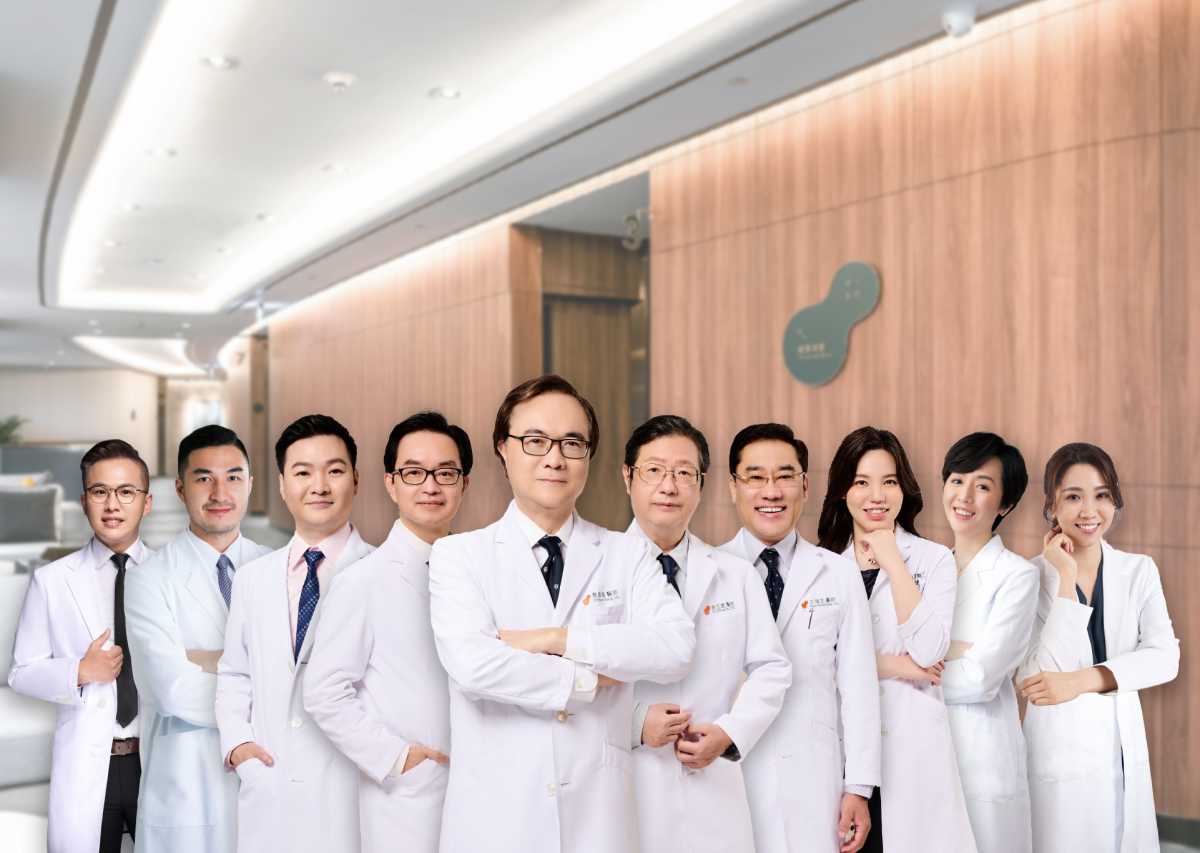
If you are troubled by long-term period pain or endometriosis-related lower abdominal pain, have a family history of endometriosis, and have been trying to conceive for a year or more without success, we recommend getting a comprehensive fertility evaluation as soon as possible. Understanding your body’s condition early helps you prepare for your next steps in planning a pregnancy. You are welcome to book an appointment with TFC Taipei Fertility Center, where a professional team led by Director Chi-Jui Tseng, a pioneer in reproductive medicine in Taiwan, will create personalized fertility recommendations based on your health and family-building goals. Whether you choose intrauterine insemination (IUI) or in vitro fertilization (IVF), TFC will be with you every step of the way on your journey to parenthood.
Read more:
What Is IVF? Success Rates, Process, and Costs Explained
Miscarriage Symptoms: How to Tell Implantation Bleeding Apart and 6 Common Causes of Early Pregnancy Loss