













With advances in technology, assisted reproductive technology has become a source of hope for many couples facing infertility. Intrauterine insemination (IUI) and in vitro fertilization (IVF) are two common types of assisted reproduction, but the differences between them, along with their advantages and disadvantages, often cause confusion. How do you choose between IUI and IVF? What are the disadvantages of IUI? Which assisted reproductive technology is right for your body? This article explains both treatments in detail to help you choose the option that best suits your situation.
1. Basic Concepts of IUI and IVF
Intrauterine Insemination (IUI)
IUI, also known as artificial insemination, is a technique in which processed semen is placed directly into a woman’s uterus. In this process, a small amount of ovulation-inducing medication is first used to increase the number of eggs released. Insemination is then timed to the calculated ovulation window, which may increase the chance of conception. IUI may be suitable for couples in which the male partner has a low sperm count (at least 15 million sperm per milliliter is required) or poor sperm motility, and in which at least one of the woman’s fallopian tubes is open.

In Vitro Fertilization (IVF)
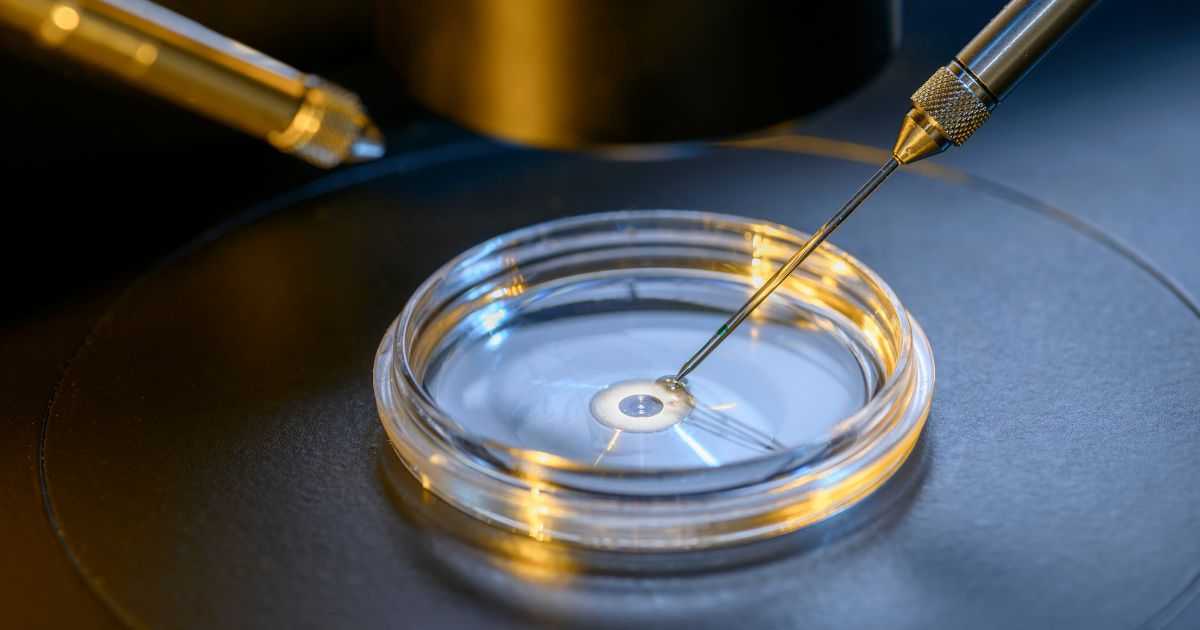
IVF is a technique in which eggs and sperm are combined in a laboratory to form embryos, which are then transferred into a woman’s uterus. The process includes ovarian stimulation, egg retrieval, fertilization in the laboratory, and embryo transfer. IVF may be suitable for situations such as a low egg count, blockage of both fallopian tubes, severe male factor infertility, or repeated unsuccessful IUI attempts.
2. What Are the Disadvantages of IUI? Understanding the Pros and Cons
Advantages of IUI
- Simple and minimally invasive: IUI is relatively simple and does not require surgery. Semen is simply placed into the uterus.
- Lower cost: Compared with IVF, IUI is less expensive, which makes it a suitable option for couples trying assisted reproduction for the first time.
- A more natural process: IUI is closer to natural conception and involves less medical intervention in a woman’s body.
Disadvantages of IUI
- Lower success rate: The success rate of IUI is generally between 15% and 20% per cycle, which is lower than that of IVF.
- Limited scope of use: IUI is suitable only for certain types of infertility. It is not appropriate for blockage of both fallopian tubes or severe male factor infertility.
- Multiple attempts may be needed: Because the success rate is lower, several cycles may be needed, which can add to the time and emotional stress involved.
Read more: How Much Does IUI Cost? Learn About the Drawbacks of IUI and Tips for Success
3. What Is the IVF Success Rate? Advantages and Disadvantages
Advantages of IVF
- Higher success rate: The success rate of IVF is generally higher than that of IUI, and in younger women it may reach 40% to 50%.
- Wide scope of use: IVF may be suitable for many types of infertility, including fallopian tube problems and severe male factor infertility.
- Genetic screening is possible: IVF treatment allows genetic screening of embryos, which can help select healthy embryos for transfer and may reduce the risk of passing on genetic diseases.
Disadvantages of IVF
- Higher cost: IVF is more expensive, which may put financial pressure on some families.
- A more complex procedure: IVF requires egg retrieval, which places a relatively greater burden on a woman’s body.
- Higher risks: IVF may carry risks such as multiple pregnancy and ovarian hyperstimulation syndrome (OHSS).
Read more: What Is IVF? Why Is Progesterone Needed? Frequently Asked Questions About IVF Answered
4. How to Choose the Right Assisted Reproduction Method for You
How do you choose between IUI and IVF? The choice of treatment should take into account several factors, including your age, health condition, and financial situation:
Age
Age is an important factor in fertility. Younger women may consider IUI first, while older women or those who have difficulty conceiving may be advised to consider IVF directly.
Health condition
The right technique depends on the health of both partners. One disadvantage of IUI is that it is suitable only for certain types of infertility, so if there are more serious problems, such as blocked fallopian tubes or severe male factor infertility, IVF should be considered.
Financial situation
IUI costs less, while IVF is more expensive. Choose a treatment that you can afford based on your own circumstances.
Emotional readiness
Assisted reproduction requires cooperation and support from both partners. Choose a technique that matches your emotional resilience.

5. Professional Assisted Reproduction Treatment: Why Choose TFC Taipei Fertility Center
A team led by the “Father of IVF”
High IVF success rate: TFC Taipei Fertility Center has an IVF success rate of nearly 70%, supported by a professional team led by the “Father of IVF.”
Encouraging results in advanced-age, low egg count, and difficult cases
For patients of advanced age, with a low egg count, or with multiple failed IVF attempts, TFC’s IVF treatment has achieved encouraging pregnancy rates.
Advanced laboratory facilities
Our laboratory is a high-grade, positive-pressure cleanroom equipped with three time-lapse incubators and operated by experienced embryologists.
A choice of physicians
Our team of physicians has an average of more than 20 years of experience and provides each patient with the treatment plan best suited to them.
Recipient of the national quality mark
TFC is the only clinic to have received the Symbol of National Quality (SNQ), which supports confidence in our quality of care.
A convenient and comfortable environment
The clinic is conveniently located in the city center with easy transportation access. The comfortable environment offers thoughtful services such as light snacks, post-procedure meals, blankets, and device charging.
Comprehensive support services
We offer Traditional Chinese Medicine, psychological counseling, and nutrition clinics to support the full range of patients’ needs.

If you have any questions about IUI or IVF, or would like professional advice, please feel free to contact TFC Taipei Fertility Center. We are dedicated to providing professional care and support to help you work toward building the family you hope for.
IUI and IVF: Frequently Asked Questions (FAQ)
Q1. What is the success rate of IUI? How much lower is it than IVF?
The success rate of IUI is approximately 15–20% per cycle, which makes it an entry-level treatment. By comparison, IVF success rates can generally reach 40–50%, and may be even higher in younger patients. For this reason, for older couples or those with more complex fertility problems, doctors will usually evaluate whether to move directly to IVF, so that time and money are not spent on an option with a lower success rate. TFC Taipei Fertility Center will tailor a treatment plan to you based on your age and test results.
Q2. What are the disadvantages of IUI? When is IUI not appropriate?
Common disadvantages of IUI include a relatively lower success rate, the possible need for multiple attempts, and a limited range of suitable patients. For example, IUI is not appropriate for certain tubal problems or severe male factor infertility. If IUI has been tried several times with unsatisfactory results, or tests reveal more complex problems, doctors will usually recommend switching to IVF to improve the overall chance of pregnancy. TFC Taipei Fertility Center will first conduct a thorough evaluation before deciding whether IUI is suitable for you.
Q3. What is the difference between IUI and IVF? How do I know which one is right for me?
The main differences between IUI and IVF are where fertilization takes place and how intensive the treatment is. In IUI, sperm is placed into the uterus, and fertilization still occurs naturally inside the body. In IVF, eggs and sperm are combined in a laboratory, and the resulting embryo is then transferred back into the uterus. If the fallopian tubes are open and the problem is mild, it may be reasonable to try IUI first. If the tubes are blocked, the egg count is low, or IUI has repeatedly been unsuccessful, IVF is usually considered first.
Q4. I’ve had several failed IUI cycles. What should I consider next? Should I switch to IVF?
If 3–4 IUI attempts have not been successful, it is time to reassess whether the current treatment is still appropriate, for example because of advancing age, declining ovarian function, poor sperm quality, or less favorable fallopian tube conditions. In this situation, doctors will usually recommend discussing IVF, because IVF allows fertilization and embryo development to be monitored in the laboratory, and its overall success rate is generally higher than that of IUI. TFC Taipei Fertility Center will help you evaluate whether to move from IUI to IVF based on your age, test results, and treatment history.
Q5. With so many clinics, how do I choose a fertility center? What matters more: how clearly IUI and IVF are explained, or the success rate?
When choosing a fertility center, you can consider several factors at the same time: its IUI and IVF success rates, whether the doctors clearly explain the differences between IUI and IVF, whether they proactively provide IVF comparisons and cost explanations, whether the laboratory equipment is advanced, and whether the clinic has a track record with advanced-age or difficult cases. Finally, consider how comfortable you feel communicating with the team and the overall level of support. TFC Taipei Fertility Center offers a comprehensive team to help couples make an informed choice.
Read more: How Can You Tell Egg Quality? Understanding AMH Levels and 5 Key Nutrients to Support Egg Quality