












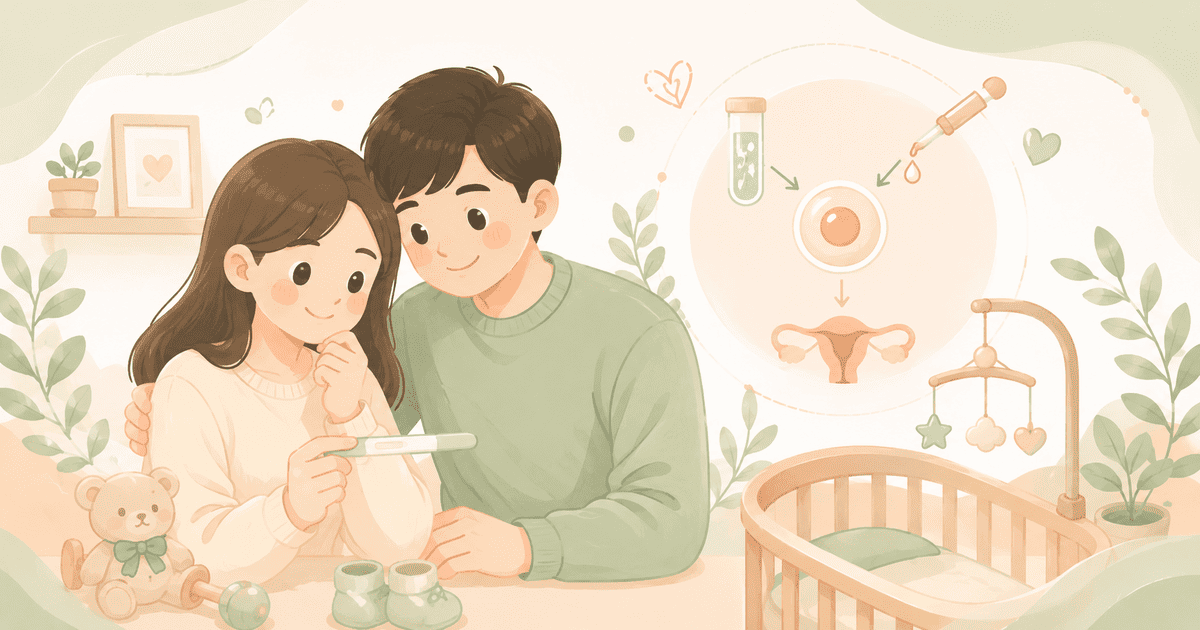
Compared with in vitro fertilization (IVF), intrauterine insemination (IUI) is a relatively simple treatment and costs less, which is why many couples facing infertility consider it first. However, IUI success still depends on several factors, including age, sperm count, and whether the fallopian tubes are open, all of which can affect the chance of pregnancy.
This article explains the common reasons IUI fails and its limitations. It also shares 4 tips to help you choose the best timing and improve your chances of conceiving.
What Is Intrauterine Insemination (IUI)? Is It the Same as Artificial Insemination?
Intrauterine insemination (IUI) is a type of assisted reproductive technology, also known as artificial insemination.
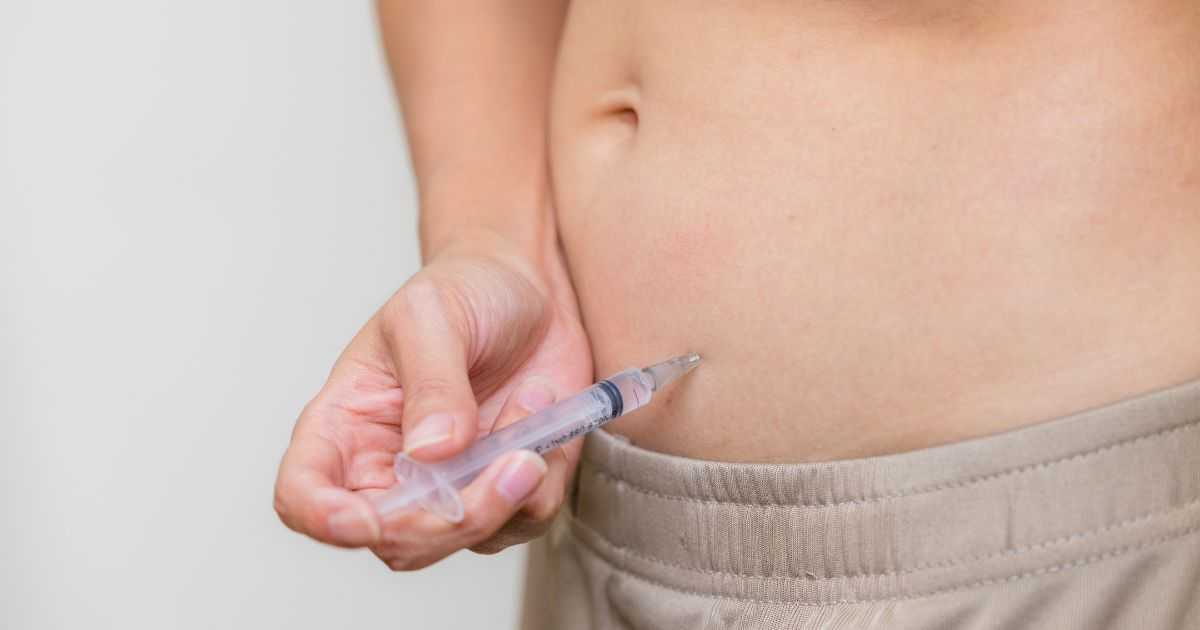
During an IUI cycle, the woman first takes ovulation-inducing medication or receives ovulation-stimulating injections to encourage follicle growth and development. The best time for ovulation is then determined, and a trigger shot is given. Sperms that have been washed and selected are then placed directly into the uterine cavity, helping the sperm reach and fertilize the egg.
The overall process is not likely to cause significant pain and does not require anesthesia or surgery, so it involves less physical invasiveness and discomfort for women.
What Is the IUI Success Rate? Common Reasons for Failure
In general, the success rate of IUI is approximately 15-20% per cycle, and undergoing 2-3 cycles may further improve the chances of success. Results vary with age and individual circumstances. IUI outcomes are closely linked to many factors, and common reasons for failure include the following:
-
Blockage of both fallopian tubes: The fallopian tubes are where sperm and egg meet for fertilization. A blockage can prevent the egg and sperm from joining normally, which affects the formation of an embryo. If both tubes are blocked, natural fertilization cannot occur.
-
Premature Ovarian Insufficiency (POI): Factors such as age, genetics, life stress, and unhealthy habits may lead to POI, which can affect egg quantity and quality and increase the risk of IUI failure.
-
Abnormal semen parameters: Low sperm count, poor motility, and abnormal sperm shape can all reduce the chances of fertilization.
-
Endometriosis: Endometriosis is often accompanied by pelvic adhesions, which may affect fallopian tube function and the movement of sperm and eggs, and may reduce the chances of embryo implantation.
If pregnancy has not been achieved after several IUI cycles, we recommend discussing it with your doctor to evaluate your situation, adjust your treatment plan, or consider in vitro fertilization (IVF).
IUI Eligibility Requirements: 3 Key Restrictions at a Glance

What conditions and eligibility requirements apply to IUI? Under Taiwan’s Assisted Reproduction Act, couples must meet all of the following requirements to undergo assisted reproduction treatment:
1. The couple must be legally married.
IUI is available only to heterosexual couples with a legal marital relationship. Unmarried individuals, single parents, and same-sex couples are not eligible for treatment. Before consultations or treatment, identification documents are generally checked to confirm the legal spousal relationship between both parties.
2. The wife must have a functional uterus capable of carrying a pregnancy.
Under current Taiwan law, surrogacy has not been legalized. Couples receiving IUI must therefore have a wife with a functional uterus, so that she can carry and deliver the baby herself.
3. At least one spouse must be diagnosed with infertility or have a hereditary disease.
IUI can be performed only if, after diagnosis at a medical institution, either spouse has infertility that prevents natural conception. It can also be performed if either spouse has a serious hereditary disease that could result in a child with health abnormalities if conceived naturally.
Who Is a Good Candidate for IUI? 4 Situations Where IUI May Be Recommended
The success rate of embryo implantation after IUI is affected by many factors. Couples who are younger, have mild infertility, and are in good overall health are generally better candidates for IUI.
Below are 4 situations where IUI may be recommended. Also remember to stay relaxed and maintain a balanced diet, which may help improve your chances of success.
-
Unable to have normal sexual intercourse, or male sexual dysfunction
If a couple cannot have normal sexual intercourse for some reason, or the male partner has sexual dysfunction such as erectile dysfunction, premature ejaculation, delayed ejaculation, or hypospadias that prevents sperm from being delivered successfully, IUI may be a suitable option. -
Irregular menstrual cycles
Irregular menstrual cycles can easily lead to abnormal ovulation. In this case, IUI allows doctors to monitor follicle development with ultrasound and trigger ovulation at a specific time, which may increase the chances of conception. -
Low sperm count or poor sperm motility
If the male partner has a low sperm count (at least 15 million sperm per milliliter is required) or poor sperm motility, IUI can select high-quality sperm with good motility, which may improve the chances of success. -
Mild fallopian tube adhesions
One prerequisite for conceiving through IUI is that “at least one fallopian tube is open,” so that sperm and egg have a chance to meet, which supports a higher chance of success.
How Long Does the IUI Process Take? Frequently Asked Questions Answered
Now that you know when IUI may be recommended, here are answers to 3 common questions about IUI.
Q. How long does the IUI process take?
IUI treatment usually begins with medication on Day 2 or Day 3 of the menstrual cycle to help the follicles mature. After about 8 to 12 days, an ultrasound is performed to monitor ovulation, and a trigger shot is given. Sperm is then inseminated 32 to 36 hours later, and you can return for a pregnancy test about 2 weeks afterward.
Q. What should I watch out for after IUI, and are there any supplements I should take?
Before and after IUI, it is important to keep a regular routine, get enough sleep, and exercise regularly. Try to stay relaxed and reduce stress so that your body is in good health.
After insemination, you can generally carry on with normal daily life. However, avoid baths, hot springs, and strenuous exercise. Also avoid Chinese herbal medicine and foods considered “heating” or “cooling.” In addition, take progesterone as directed by your doctor to help support embryo implantation.
Q. After how many failed IUI cycles should we try IVF?
Pregnancy success rates for both IUI and IVF decline with age. Because IUI is closer to natural conception, its success rate is usually lower than that of IVF. Couples in the following situations may want to consider IVF, which may help improve the chances of success and reduce the time and emotional stress of trying to conceive:
- Younger women who have undergone 3 IUI cycles without becoming pregnant.
- Women over 34 who have undergone 2 unsuccessful IUI cycles.
- Women over 38 who have undergone 1 unsuccessful IUI cycle.

Why Choose TFC Taipei Fertility Center for IUI?
TFC Taipei Fertility Center is a flagship fertility center in Asia, with a team of experienced senior physicians and advanced equipment. We offer IUI that is relatively affordable compared with IVF, safe, and minimally invasive, with a pregnancy success rate of over 33%, so you can move forward with your treatment in comfort and with peace of mind.
If you are considering IUI or have any questions, we welcome you to contact TFC Taipei Fertility Center. We will tailor a treatment plan to your individual needs to support you on your journey to parenthood.
Read more: How Much Does IUI Cost? Learn About the Drawbacks of IUI and Tips for Success
