












On average, a woman's ovarian function begins to decline around the ages of 45 to 55. However, due to busy lifestyles, stress, and irregular routines and diets, many women may experience issues such as irregular menstruation and reduced menstrual flow, and some may even struggle to conceive despite repeated attempts during family planning. Please be mindful that these symptoms could be warning signs of premature ovarian insufficiency (POI).
So, what are the symptoms of premature ovarian insufficiency? What should you eat if you have it? This article will explore the causes and symptoms of premature ovarian insufficiency in detail, and explain how to adjust your diet and lifestyle choices to help you better understand your body's condition and increase your chances of pregnancy.
1. What Is Premature Ovarian Insufficiency? Understanding the Causes of POI
Premature ovarian insufficiency (POI), also known as primary ovarian insufficiency, refers to the early decline of ovarian function before the age of 40, leading to a decrease in hormone levels and the onset of early menopause-like symptoms.
Although the exact causes of premature ovarian insufficiency are not yet fully understood, clinical observations suggest that it may be related to factors such as family history, prior chemotherapy treatment, a history of ovarian surgery, prolonged stress, and unhealthy lifestyle habits such as smoking and excessive alcohol consumption. These factors may all increase the risk of developing POI.
2. What Are the Symptoms of Premature Ovarian Insufficiency? How to Identify Them?
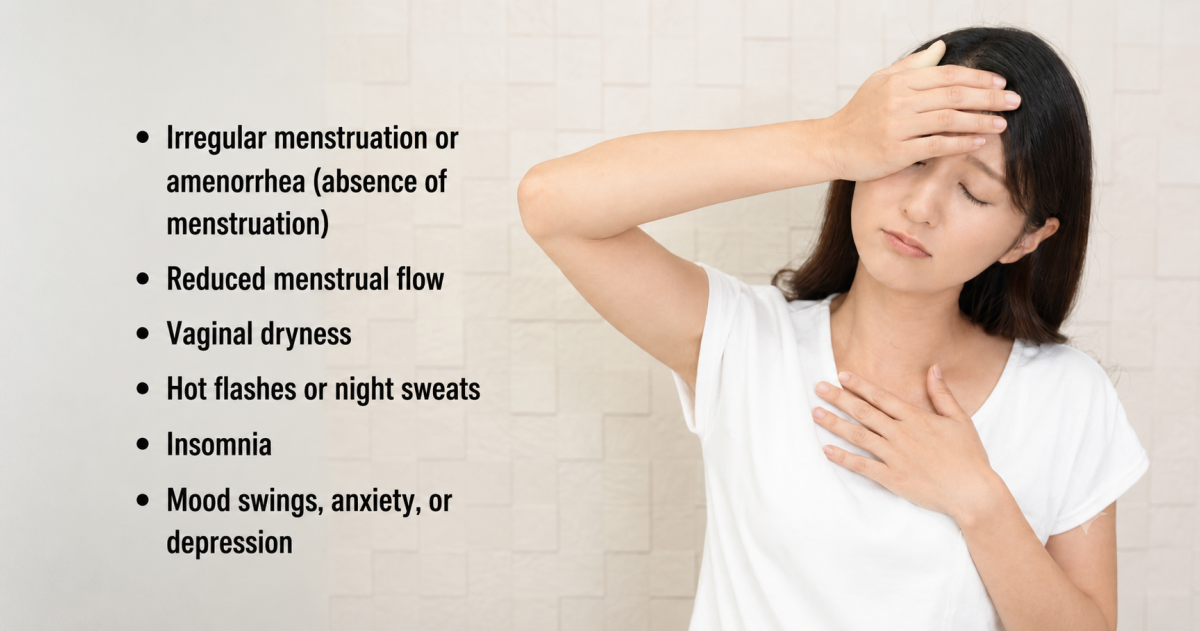
The early symptoms of premature ovarian insufficiency are often subtle. As estrogen levels decline, these symptoms gradually become more noticeable.The symptoms of premature ovarian insufficiency and menopause are similar , and commonly include:
- Irregular menstruation or amenorrhea (absence of menstruation)
- Reduced menstrual flow
- Vaginal dryness
- Hot flashes or night sweats
- Insomnia
- Mood swings, anxiety, or depression
The primary method for detecting premature ovarian insufficiency is a blood test measuring Anti-Müllerian Hormone (AMH) levels, which assesses ovarian reserve. Normal AMH levels typically range from 2 to 5 ng/mL, while levels below 2 ng/mL may indicate a decline in ovarian function.
It is recommended that adult women have their ovarian function evaluated every 2–3 years. Those with a family history of premature ovarian insufficiency or a history of cancer treatment should undergo more frequent monitoring of their ovarian health in order to better understand their fertility status.
3. What Should You Eat for Premature Ovarian Insufficiency? 5 Key Dietary Strategies
After understanding the symptoms and causes of premature ovarian insufficiency, let's discuss dietary recommendations and key strategies for management. Although POI is irreversible, proper diet and lifestyle adjustments can help support ovarian function and improve egg quality,increasing the chances of successful conception and helping fulfill the goal of pregnancy.
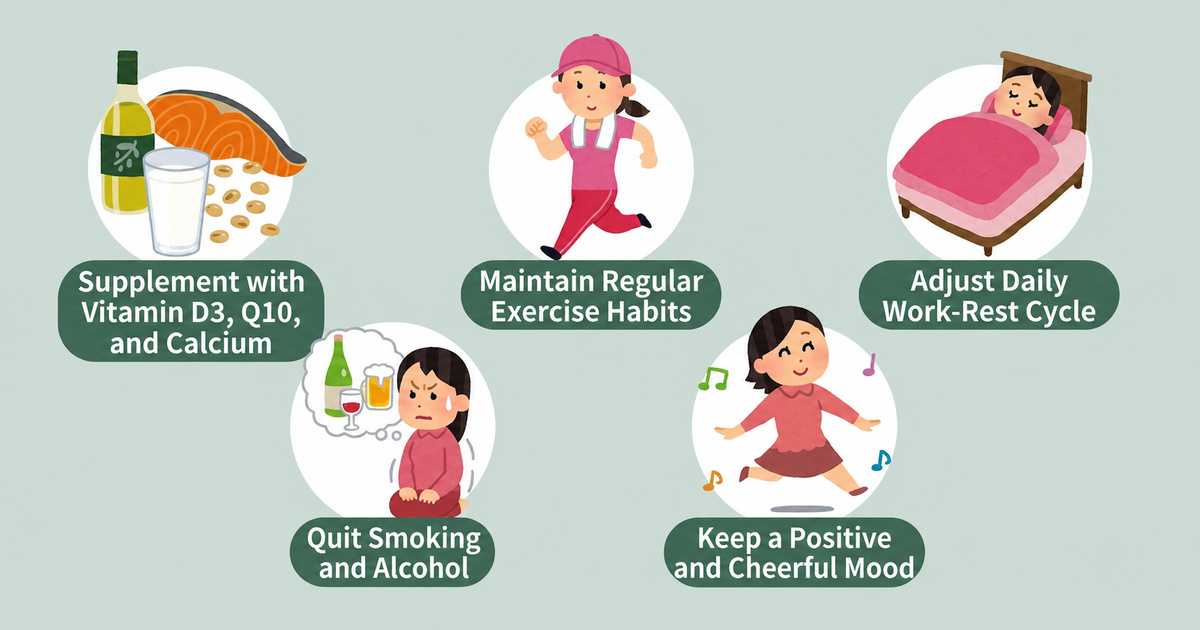
(1) Diet for Premature Ovarian Insufficiency
A Mediterranean-style diet is recommended, emphasizing plenty of fruits and vegetables, white meats (such as fish and chicken) in place of red meat, whole grains, and healthy fats like olive oil, in order to obtain comprehensive natural nutrition. In addition, it is best to avoid excessive processed foods, seasonings, and stimulating foods such as fried or grilled items. As for nutritional supplements, the following three types are recommended to help regulate ovarian function and improve egg quality:
- Vitamin D3: Helps regulate hormonal balance in the body, promoting ovarian function, improving egg quality, and supporting a healthier endometrial environment to increase the chances of successful conception. Besides animal-based food sources such as salmon, mackerel, tuna, egg yolks, and cheese, daily moderate sun exposure also helps support the body's synthesis of vitamin D.
- Coenzyme Q10: A powerful antioxidant that helps combat free radicals, supports egg maturation and development, helping maintain healthy egg function and improve egg quality. Good dietary sources include soybeans, olive oil, nuts, and beef.
- Calcium: Calcium is closely linked to bone health and hormonal secretion. Adequate intake helps support follicular health and development, and may help prevent premature ovarian insufficiency. Common food sources include legumes, dried small fish, dairy products, and dark green leafy vegetables.
(2) Maintain a Regular Exercise Routine
Moderate exercise can improve blood circulation, regulate hormones, and help slow down ovarian function decline. It is recommended to engage in moderate-intensity workouts, such as brisk walking, swimming, or yoga, at least 3 times per week, which can effectively improve physical fitness and enhance ovarian function.
(3) Maintain a Regular Daily Routine
Insufficient sleep can disrupt the endocrine system and negatively impact ovarian health. To help prevent premature ovarian insufficiency, it is important to first adjust your daily routine, avoid staying up late, and ensure adequate sleep. It is recommended to get at least 6 to 8 hours of sleep per night, which helps maintain the body's overall health balance and supports normal ovarian function.
(4) Quit Smoking and Avoid Excessive Alcohol Consumption
Smoking and excessive alcohol consumption accelerate ovarian aging, suppress follicle formation, and negatively affect ovarian function. Therefore, it is strongly recommended to quit smoking and drinking as early as possible to avoid irreversible damage.
Can You Still Get Pregnant With Premature Ovarian Insufficiency? Let TFC Taipei Fertility Center Help You Start Anew
While premature ovarian insufficiency can impact fertility, this does not mean all hope for pregnancy is lost. With the help of modern assisted reproductive technologies, women still have the opportunity to fulfill their dream of having children!
For women with fertility plans, it is recommended to consider egg freezing as early as possible, preserving precious, healthy eggs for future use. When ready to conceive, combining this with in vitro fertilization (IVF) can effectively increase the chances of successful conception.
TFC Taipei Fertility Center, a flagship reproductive medicine center in Asia, is led by Dr. Chii-Ruey Tzeng, known as the "Father of IVF in Taiwan." Our team includes multiple senior physicians in Taiwan and highly experienced technical staff, along with high-quality, state-of-the-art laboratory equipment, offering comprehensive, end-to-end fertility care, with treatment plans tailored specifically to each client's needs.
In addition, TFC also features a warm, comfortable clinical environment, as well as a dedicated smart app, allowing you to embark on your journey to parenthood with peace of mind and fulfill your dream of embracing happiness!