













Egg freezing is more than a reproductive medicine technology. It represents a woman’s right to stay in control of her life and her reproductive choices, even when facing the pressures of time or illness. Through real-life cases, this article takes an in-depth look at the goals, process, and key differences between elective egg freezing and cancer-related egg freezing, helping you understand how to preserve your fertility in different situations.

Real Stories: A Journey of Hope Beginning with Egg Freezing
A Working Woman: Preserving Fertility Flexibility Through Egg Freezing
A 37-year-old woman working for a multinational company in Singapore was successful in her career but had not yet met the right partner. She decided to return to Taiwan to freeze her eggs, keeping her options open for the future.
A year later, she met her ideal partner. After trying to conceive naturally without success, she used her frozen eggs for in vitro fertilization (IVF) and became pregnant after a single treatment cycle.
A Mother with Cancer: Freezing Eggs Before Chemotherapy to Preserve Hope
Another woman, a 32-year-old mother of one, was diagnosed with breast cancer and needed chemotherapy. To preserve the chance of having another child, she chose to freeze her eggs before starting treatment.
She began cancer treatment right after the egg freezing cycle, hoping to use these healthy eggs to welcome another new life once she recovers.
These two stories show the value of egg freezing: whether facing the pressure of time or illness, women can still use science to preserve their reproductive possibilities.
Advances in Egg Freezing Technology: From Slow Freezing to Vitrification
How Technology Has Improved Egg Survival Rates
With early slow-freezing methods, the gradual cooling process made ice crystals more likely to form in the cells, resulting in lower egg survival rates after thawing.
Over the past two decades, vitrification (ultra-rapid freezing) has replaced the traditional method. Egg survival rates after thawing can now reach over 95%, and the success rate and safety of egg freezing have improved considerably.
Why Is Freezing Eggs Younger Better?
Both the quantity and quality of eggs decline with age, with a more noticeable drop after age 35. The younger you are when you freeze your eggs, the better their quality, and the higher the chances of pregnancy in the future. For modern women, egg freezing is like “saving a seed of hope” to use when the time is right.
Elective Egg Freezing: Preserving Your Reproductive Autonomy for the Future
Who It’s For
- Healthy women who have no immediate plans to have children but want to preserve their fertility
- Women in a career growth phase who do not plan to become pregnant for now
- Women who have not yet met a suitable partner
Egg Freezing Process and Tests
- AMH (Anti-Müllerian Hormone) test: Assesses ovarian function and ovarian reserve.
- Ovarian stimulation (about 14 days): Your doctor monitors follicle growth and administers stimulation injections.
- Egg retrieval procedure: Performed under sedation and takes about 20–30 minutes. You can usually resume daily activities within 1–2 days.
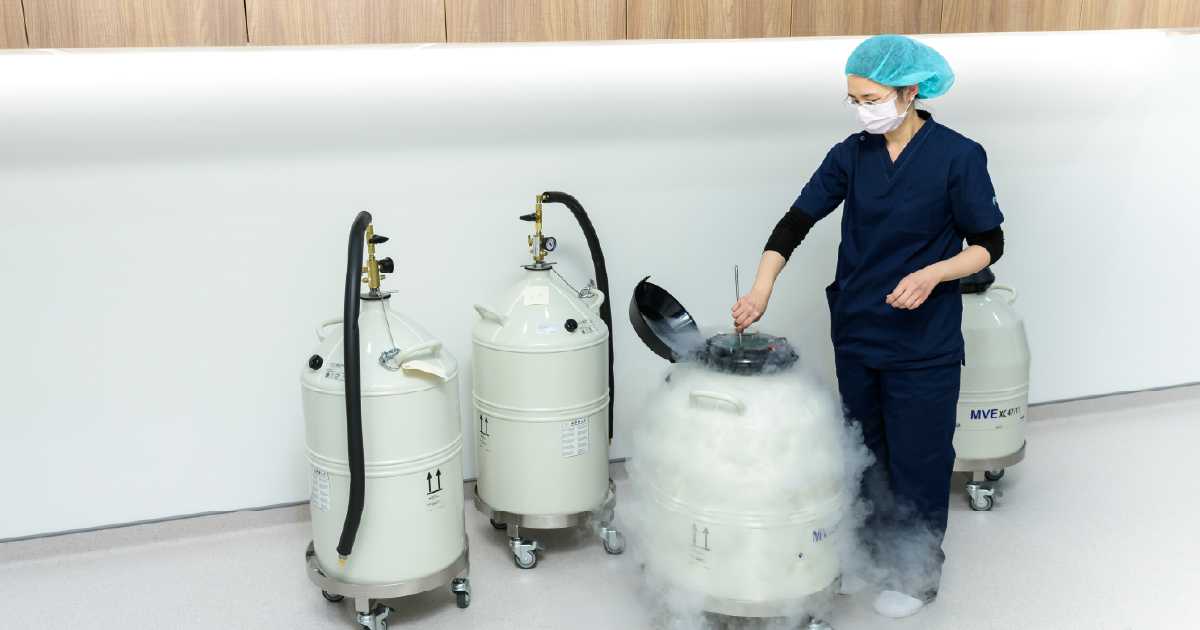
- Egg freezing and storage: Mature eggs retrieved are frozen the same day using vitrification. In the future, they can be thawed for fertilization and embryo transfer (i.e., an IVF cycle).
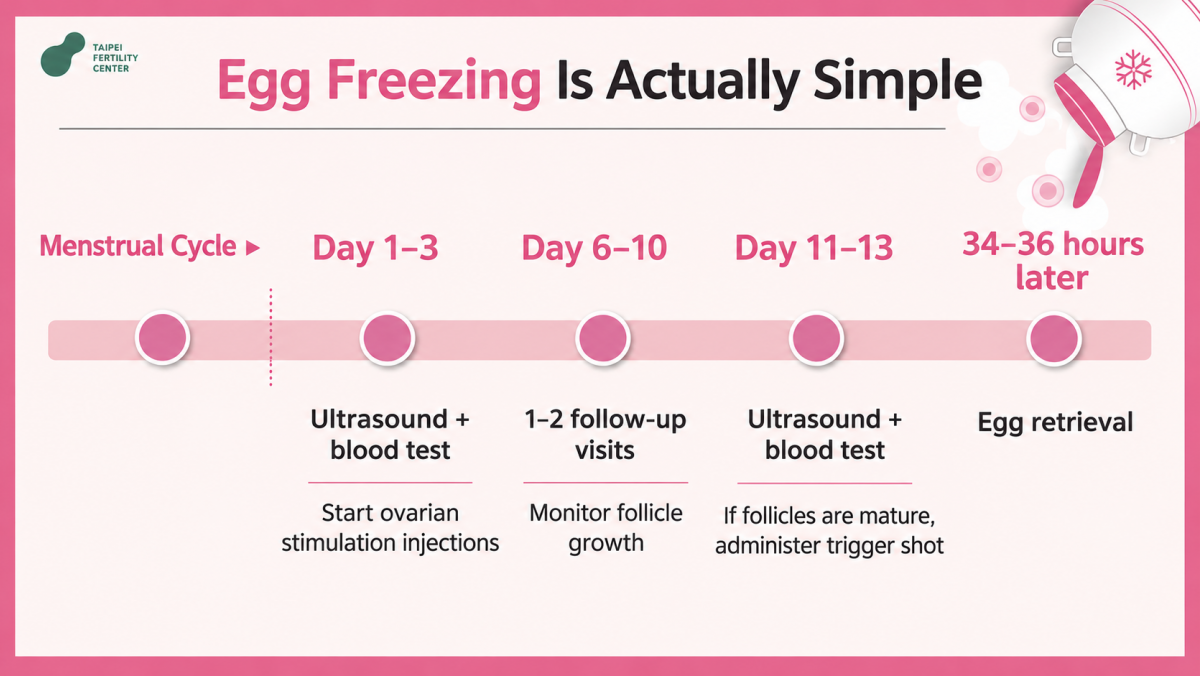
Elective egg freezing can help extend a woman’s reproductive window, so you are not limited by age-related pressure and can plan your life with greater flexibility.
Cancer-Related Egg Freezing: Preserving Fertility Hope for Women with Cancer
An Important Decision Before Chemotherapy
Cancer treatment, especially chemotherapy, may cause permanent damage to the ovaries and lead to infertility. If eggs are frozen before treatment begins, healthy eggs can be preserved and used for pregnancy after recovery. For this reason, cancer-related egg freezing is an important fertility preservation option for women facing cancer treatment.
Collaboration Between Medical Teams
Cancer-related egg freezing requires close coordination between the oncology and reproductive medicine teams. Medication is used to control hormone levels so that cancer cells are not stimulated, and egg retrieval and freezing must be completed within a limited time frame. This “race against time” allows patients to leave a piece of hope for the future while undergoing treatment.
The Core Value of Egg Freezing: Preserving Fertility and Taking Charge of Your Life
Whether it is elective or cancer-related, the purpose of egg freezing is to preserve fertility, so that women can plan their future on their own terms.
Egg freezing does not guarantee pregnancy, but it can leave more possibilities open for the future. We recommend choosing the most suitable assisted reproduction approach after an evaluation by a qualified physician.
As reproductive medicine continues to advance, women today can learn about their ovarian function earlier and plan the timing of parenthood, making their life choices more varied and more free.