













Uterine fibroids are a common gynecological condition, and many women don't realize they have one until a routine checkup reveals it. So why are they so common? What causes them, and how do they affect the body?
This article is designed to help you understand the four types of uterine fibroids, seven common symptoms, and their potential impact on pregnancy. It also outlines current treatment options, empowering you to take proactive steps in managing and preventing this condition.
What Are Uterine Fibroids? Understanding the Types and Characteristics
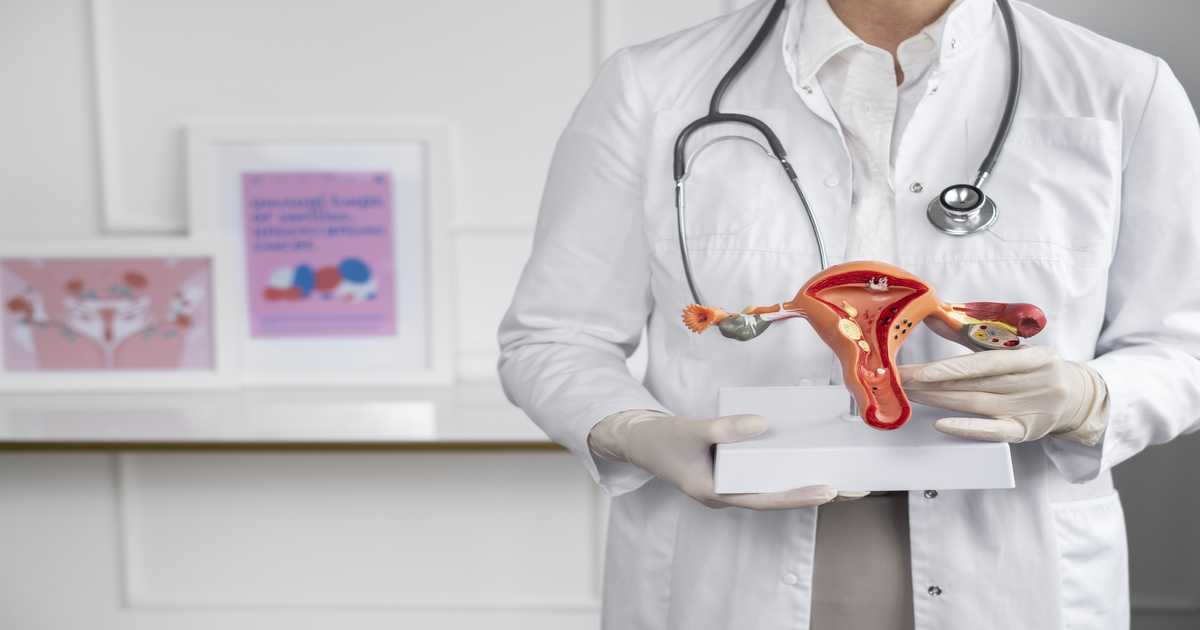
Uterine fibroids are common benign tumors that typically grow in the smooth muscle tissue of the uterus, most often in women of reproductive age. Their incidence and prevalence increase with age during the childbearing years.
According to an ultrasound screening study among high-risk populations, the age-specific incidence of uterine fibroids was 49.7% in women under 30, 55.2% in those aged 30–34, and 58.2% in those aged 35–39.
Most women have no obvious symptoms in the early stages and often discover fibroids incidentally during health checkups or gynecologic ultrasound examinations.
Based on their location, uterine fibroids can be classified into four types, each associated with different symptoms:
▍Subserosal Fibroids
These fibroids are located on the outer surface of the uterus and project outward into the pelvic cavity. They usually have no impact on menstruation, but when they grow larger, they may press on the bladder or intestines, causing frequent urination, constipation, or a feeling of lower abdominal fullness.
▍Submucosal Fibroids
Located just beneath the uterine lining, this type most commonly results in heavy menstrual bleeding and abnormal uterine bleeding. Even small fibroids can lead to anemia, fatigue, and can even interfere with embryo implantation.
▍Intramural Fibroids
The most common type, located within the muscular wall of the uterus. Symptoms may be absent or subtle in the early stages, but as the fibroid grows, patients may experience menstrual cramps, heavy menstrual bleeding, or a sense of pressure in the pelvis and lower abdomen.
▍Cervical Fibroids
Fibroids that develop in the cervix are relatively rare. They may cause pain during intercourse or lead to abnormal vaginal bleeding.
Why Do Uterine Fibroids Develop? Exploring 3 Possible Causes

Although the exact cause of uterine fibroids has yet to be fully determined, years of research have identified several possible contributing factors. Three of the most commonly cited factors are outlined below:
1. Hormones
The growth of uterine fibroids is closely related to estrogen levels in the body. They tend to develop during the reproductive years when hormone secretion is most active. This also explains why fibroids often shrink naturally after menopause when estrogen levels decline.
2. Genetic Factors
Women with a family history of uterine fibroids have a relatively higher likelihood of developing them, suggesting that genetics play a role in their formation.
3. External Environment and Lifestyle Habits
Lifestyle factors such as diet, body weight, stress levels, and sleep quality can influence hormonal balance and are associated with uterine fibroid development. For instance, frequent consumption of a high-fat diet, increased body fat, and obesity (especially abdominal obesity) may cause fat tissue to produce additional estrogen, making fibroids more likely to grow. Chronic stress and poor sleep quality can also disrupt the endocrine system, and are linked to inflammatory and metabolic mechanisms that elevate the risk further.
What Are the Warning Signs of Uterine Fibroids? 7 Symptoms to Watch For

Uterine fibroids usually have no noticeable symptoms in the early stages, but as fibroids grow, physical discomfort may develop. If you experience any of the following seven common signs, it is advisable to seek medical evaluation early, which can help with early detection and appropriate treatment planning.
1. Increased Menstrual Bleeding
One of the most common symptoms of uterine fibroids is noticeably heavier menstrual bleeding, sometimes accompanied by longer periods or an increase in blood clots. Some women may need to change sanitary products more frequently, and in severe cases, heavy bleeding can affect daily life.
2. Abdominal Discomfort
When fibroids press against surrounding uterine tissues, they may cause dull lower abdominal pain or discomfort, which tends to be more noticeable before or after menstruation. Some patients may also experience a sensation of fullness or heaviness in the abdomen.
3. Menstrual Cramps
Uterine fibroids may worsen existing menstrual cramps, or cause new-onset pain in women who previously had none. While menstrual cramps are a common symptom of uterine fibroids, growing evidence indicates some patients may also experience pelvic pain unrelated to their menstrual cycle.
4. Pain During Intercourse
When fibroids develop on the cervix or near the lower part of the uterus, they may lead to a sensation of pressure or pain during sexual intercourse, potentially affecting quality of life.
5. Frequent Urination
Up to 60% of women with uterine fibroids experience various urinary symptoms such as frequent urination, difficulty urinating, or, in rare cases, complete urinary obstruction. This occurs when fibroids located on the anterior uterine wall press directly against the bladder, or when those on the posterior wall push the uterus forward, creating pressure on the bladder.
6. Anemia
Chronic heavy menstrual bleeding due to fibroids can lead to iron-deficiency anemia, with pale complexion, fatigue, and heart palpitations as symptoms.
7. Constipation
In addition to compressing the bladder, larger fibroids may also compress the rectum, leading to difficulty with bowel movements and constipation.
Do Uterine Fibroids Affect Pregnancy?
Many women only discover they have uterine fibroids while trying to conceive, and naturally worry about whether the fibroids will affect their fertility. In reality, the likelihood of fibroids directly impacting pregnancy is low, but it depends on their size, number, location, and growth rate. Here's how fibroids may influence conception:
▍Menstrual Irregularities
Uterine fibroids can cause irregular menstrual cycles, interfere with ovulation, and thus lower the chances of conception.
▍Difficulty Conceiving or Infertility
Fibroids that distort the uterine cavity — including subserosal fibroids and intramural fibroids that press against the endometrium — are thought to potentially cause difficulty conceiving and increase the risk of miscarriage.
▍Pelvic Discomfort
Larger fibroids can exert pressure on the bladder or rectum, causing frequent urination or constipation. In some cases, this pressure may also affect sexual comfort, indirectly impacting conception plans.
If uterine fibroids are discovered while trying to conceive, there's no need to worry excessively. Not all fibroids affect fertility, and many women are able to conceive naturally and have healthy pregnancies. Clinically, fibroids account for only around 1–3% of infertility cases.
We recommend a comprehensive gynecologic evaluation and discussion with your doctor about whether active treatment is necessary, or whether simply observing for a while before attempting conception would be more appropriate. Your doctor can tailor the most suitable plan based on your specific condition.
Diagnostic Methods for Uterine Fibroids

Although uterine fibroids are common, many cases have no obvious symptoms. Therefore, regular gynecologic checkups are essential. If fibroids are suspected, your doctor may recommend the following three diagnostic methods based on individual circumstances, to assess their size, number, and location:
1. Pelvic Examination
During a pelvic exam, the physician palpates the uterus to check for shape changes or any palpable masses. However, if fibroids are small or located deep within the uterus, they may not be easily detected by touch alone, so imaging studies are typically recommended for further evaluation.
2. Transabdominal or Transvaginal Ultrasound
Abdominal ultrasound provides a quick overview of the overall condition of the uterus; if a clearer view is needed, your doctor may arrange a transvaginal ultrasound, which allows for a more accurate assessment of the location and type of fibroids, and is also helpful for treatment planning.
3. Hysteroscopy
If a fibroid is suspected to be located within the uterine cavity, your doctor may recommend a hysteroscopic examination. This involves inserting a thin camera into the uterus cavity to directly visualize the condition of the endometrial lining and evaluate whether the fibroid is compressing or affecting the space within the cavity.
How Large Do Uterine Fibroids Need to Be Before Surgery? Treatment Recommendations
Whether uterine fibroids require surgery, and how large they need to be before surgery is needed, has no absolute size or standard. The decision depends on the patient's age, symptoms, fertility plans, and the fibroid's location and number. Doctors will evaluate each woman's individual condition and lifestyle needs to provide the most appropriate treatment recommendations.
1. Regular Monitoring
For patients with no obvious symptoms, fibroids that are not large, and no impact on daily life or fertility, regular follow-up and observation are usually all that's recommended.
2. Medication
If fibroids cause heavy menstrual bleeding, prolonged periods, or worsening menstrual pain but have not yet reached the point of requiring surgery, your doctor may prescribe symptom-relief medications or hormonal therapy to lower estrogen levels, thereby reducing fibroid size.
3. Surgical Treatment
Surgery may be considered when fibroids cannot be controlled with medication alone, or when any of the following occur:
- Severe symptoms affecting daily life: for example, heavy menstrual bleeding leading to anemia, intense menstrual pain interfering with work or sleep, or worsening pressure symptoms such as frequent urination, constipation, or lower back discomfort.
- Rapid fibroid growth: if a fibroid grows noticeably larger within a short period, the risk of malignant change needs to be ruled out.
- Impact on fertility or difficulty conceiving: if fibroids interfere with conception, increase miscarriage risk, or prevent proper embryo implantation, surgical treatment may be recommended to improve the chances of successful pregnancy.
- Fibroid size too large: although there is no strict cutoff, surgery is generally recommended if a fibroid exceeds approximately 5 cm, or if the overall uterine volume is equivalent to that of a 3-month pregnancy, especially when accompanied by discomforting symptoms.
Uterine Fibroid Surgery Options: Comparing 3 Procedures — Pros and Cons
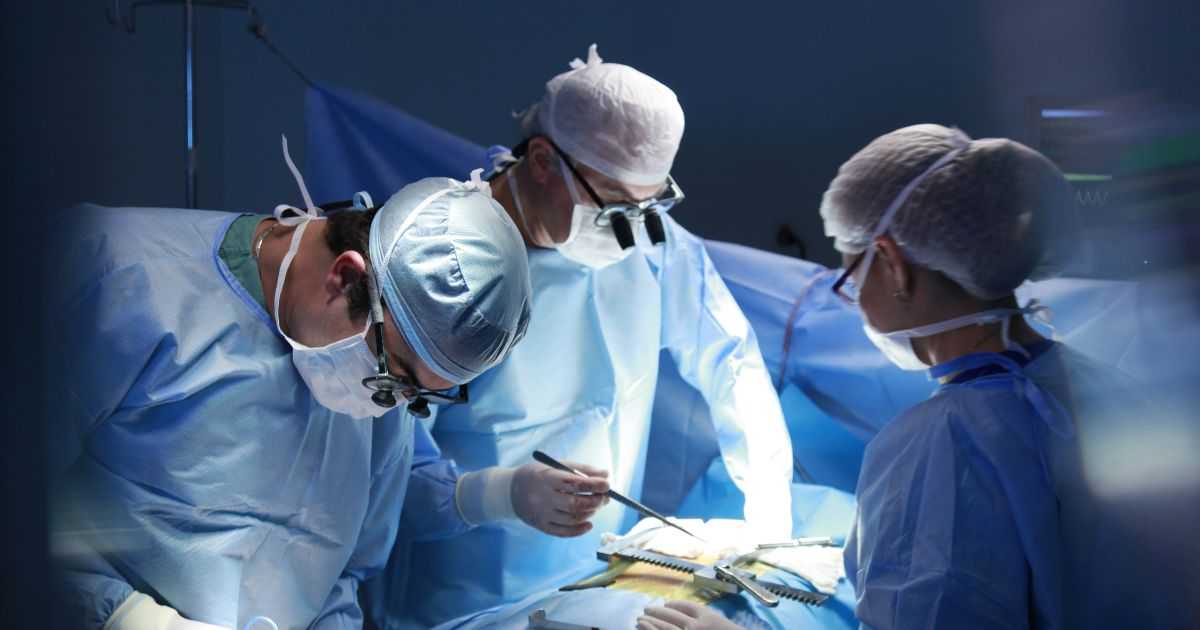
When your doctor recommends surgery for uterine fibroids, there's no need to be over-anxious. Several surgical approaches are available, and the most appropriate one will be determined based on factors such as the severity of the condition and future fertility plans. Below is a summary of three commonly performed surgical options for treating uterine fibroids:
1. Myomectomy (Fibroid Removal)
Myomectomy removes fibroids while preserving the uterus, suitable for women who wish to have children in the future and retain their uterus. Depending on the size and location of the fibroids, the procedure can be performed via laparoscopic surgery, open (abdominal) surgery, or hysteroscopy.
- Ideal candidates: women with future fertility plans, whose fibroid number and size are still within a manageable range.
- Advantages: the uterus is preserved, allowing for the possibility of natural conception, with a shorter recovery time.
- Disadvantages: an estimated 15% recurrence rate. If pregnancy occurs after surgery, cesarean delivery is generally recommended to reduce the risk of uterine rupture during labor.
2. Hysterectomy (Uterine Removal)
Hysterectomy involves the surgical removal of the uterus, suitable for women with no plans for future pregnancy, or whose fibroids are causing severe symptoms such as heavy bleeding or anemia.
- Ideal candidates: women without future fertility plans, or those whose fibroids significantly impair quality of life.
- Advantages: highly curative, with an extremely low recurrence risk, thoroughly resolving related symptoms.
- Disadvantages: a longer recovery period and loss of fertility. Some women may experience vaginal dryness, dyspareunia (pain during intercourse), or menopausal-like symptoms after surgery.
3. High-Intensity Focused Ultrasound (HIFU)
HIFU is a non-invasive therapy that uses high-intensity focused ultrasound waves to generate localized heat, ablating and destroying fibroid tissue without surgical incisions or hospitalization.
- Ideal candidates: patients with fibroids located in positions suitable for focused ultrasound, who wish to preserve the uterus and avoid surgery.
- Advantages: no open incision is required, and patients can typically resume normal activities almost immediately after treatment, with the uterus completely preserved.
- Disadvantages: not all fibroids are suitable for this approach. The procedure requires an experienced medical team to minimize the risk of damage to surrounding tissues. Recurrence may still occur in some patients.
Do Uterine Fibroids Go Away? FAQ
Q: Can uterine fibroids become cancerous?
Uterine fibroids are almost always benign (non-cancerous) tumors, and the likelihood of malignant transformation is less than 1%. However, if a fibroid shows rapid growth or is accompanied by abnormal bleeding, pelvic pain, or other unusual symptoms, it's advisable to seek prompt medical evaluation.
Q: Can uterine fibroids be life-threatening?
Fibroids themselves rarely cause death. However, in severe, untreated cases, massive bleeding resulting from fibroid-related complications can potentially become life-threatening. Regular medical follow-up and monitoring are therefore essential.
Q: Can a Uterine Fibroid Be Expelled on Its Own?
In very rare cases, a subserosal fibroid may shrink, detach, and be naturally expelled through the vagina. However, most fibroids still require medical evaluation and regular follow-up — don't wait for them to disappear on their own.
Q: Can a Uterine Fibroid Rupture?
This is exceedingly uncommon. Rupture may occur only if the fibroid undergoes sudden degeneration or trauma, possibly causing abdominal pain or intra-abdominal bleeding. If you experience sudden, severe abdominal pain, dizziness, or cold sweats, seek immediate medical attention.
Q: Can Uterine Fibroids Cause Miscarriage?
It depends on the fibroid's size and location. If it is inside or close to the uterine cavity, or is large, it may affect embryo implantation or trigger uterine contractions, increasing the risk of miscarriage or preterm birth. If you're planning a pregnancy, it's advisable to consult your doctor first to determine whether treatment for the fibroid is needed.
Q: Can Uterine Fibroids Cause Infertility?
Not everyone with fibroids experiences infertility. Fertility may be affected when a fibroid blocks a fallopian tube, compresses the uterine lining, or interferes with embryo implantation. Whether treatment is needed should be evaluated by your doctor based on your individual condition.
Can I Still Have Children With Uterine Fibroids? Book a Consultation With TFC Taipei Fertility Center

Many people who discover they have uterine fibroids worry most about one thing: "Will I still be able to get pregnant?" The truth is, having fibroids does not mean you can't have children. It's only when fibroids are located in more sensitive areas—such as near the uterine cavity—or affect the thickness of the endometrium that natural conception can become more difficult.
In this case, finding an experienced fertility center to help with evaluation is essential. TFC Taipei Fertility Center has managed many infertility cases involving fibroids, and tailors an appropriate treatment plan to each individual's condition — so you don't have to navigate this alone. For instance, intrauterine insemination (IUI) may be suitable if your fallopian tubes are open, ovulation is normal, and the fibroid's impact is minimal, helping sperm and egg meet more easily.
If the fibroid's location affects implantation, or if you are of advanced maternal age or have had repeated unsuccessful attempts, your doctor may recommend in-vitro fertilization (IVF), using embryo culture and transfer techniques to work around the interference and improve your chances of conception. Your treatment plan will be tailored to your body's response and needs, with a professional team by your side to bring more reassurance and confidence to the process.
If you are trying to conceive but facing difficulties, or are concerned that fibroids might be affecting your fertility, you can book a consultation with TFC Taipei Fertility Center to evaluate your current condition before deciding on next steps.