










During in vitro fertilization (IVF) treatment, women may face various challenges, and ovarian hyperstimulation syndrome (OHSS) is one of the more common ones. When the ovaries respond excessively to ovulation-inducing medications, symptoms such as ascites, abdominal pain, and nausea may occur, which can disrupt the course of treatment.
This article provides an in-depth explanation of the causes of OHSS and who is at higher risk, along with detailed answers to frequently asked questions, to help every woman preparing for pregnancy feel well informed and fully prepared, and move forward with confidence toward a successful pregnancy.
What is ovarian hyperstimulation syndrome (OHSS), and why does it occur?

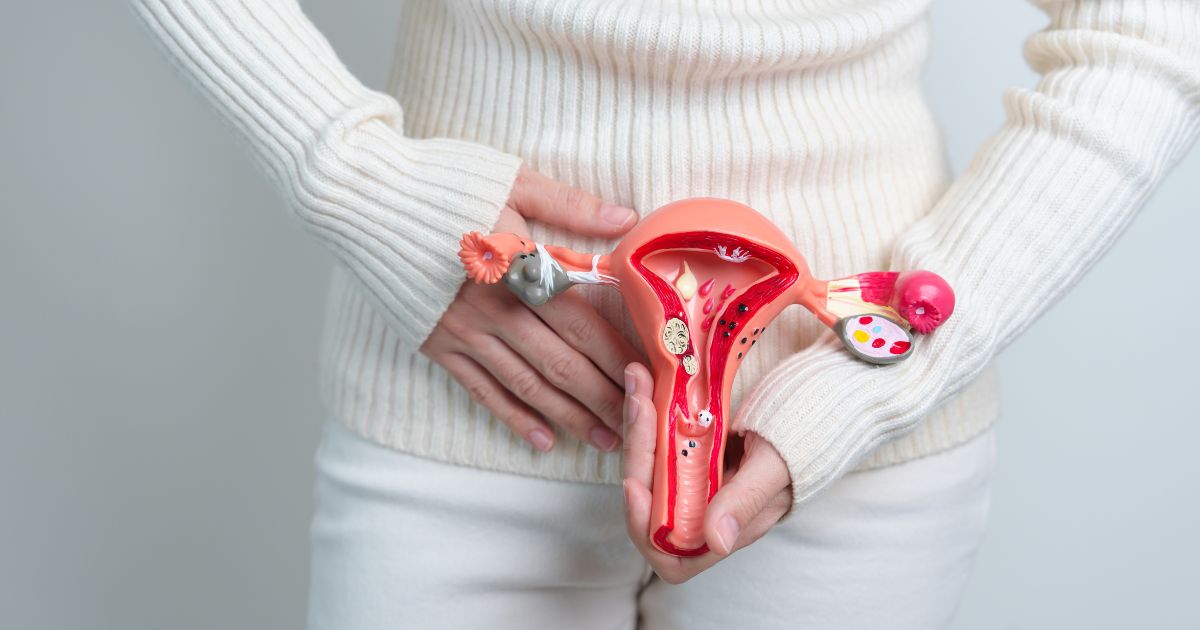
Ovarian hyperstimulation syndrome is a common complication of assisted reproductive treatment. During ovulation induction, ovulation-inducing medications are most often used to stimulate follicular growth. In women with a high number of ovarian follicles, this stimulation may cause an excessive increase and enlargement of follicles, causing the body to produce excess hormones. This increases capillary permeability, allowing fluid to leak out of blood vessels into surrounding tissues, which can result in ovarian enlargement and ascites, and in more severe cases, more serious complications such as hemoconcentration and blood clots (thrombosis).
Who is at high risk for ovarian hyperstimulation syndrome (OHSS)?
Not all women undergoing ovulation induction develop OHSS; however, certain groups are at higher risk:
-
Women under 35 who are slim and have a high ovarian follicle count (high AMH levels):
Younger, slim women with very high AMH levels have increased ovarian sensitivity to gonadotropins, making them more prone to an excessive ovarian response. -
Women with polyendocrine metabolic ovarian syndrome (PMOS, formerly known as polycystic ovary syndrome, PCOS):
Patients with PMOS typically have a higher number of follicles and elevated AMH levels, which raise the likelihood of an exaggerated ovarian response during stimulation. -
Women with more than 25 follicles:
An abnormally high follicle count (>25) during ovulation induction significantly increases the risk of developing OHSS. -
Women with high estrogen levels:
During assisted reproductive treatment, high estrogen levels are usually accompanied by the development of a large number of mature follicles, which increases the risk of ovarian swelling, increased capillary permeability within the abdominal cavity, and ascites.
What symptoms does ovarian hyperstimulation syndrome (OHSS) cause?
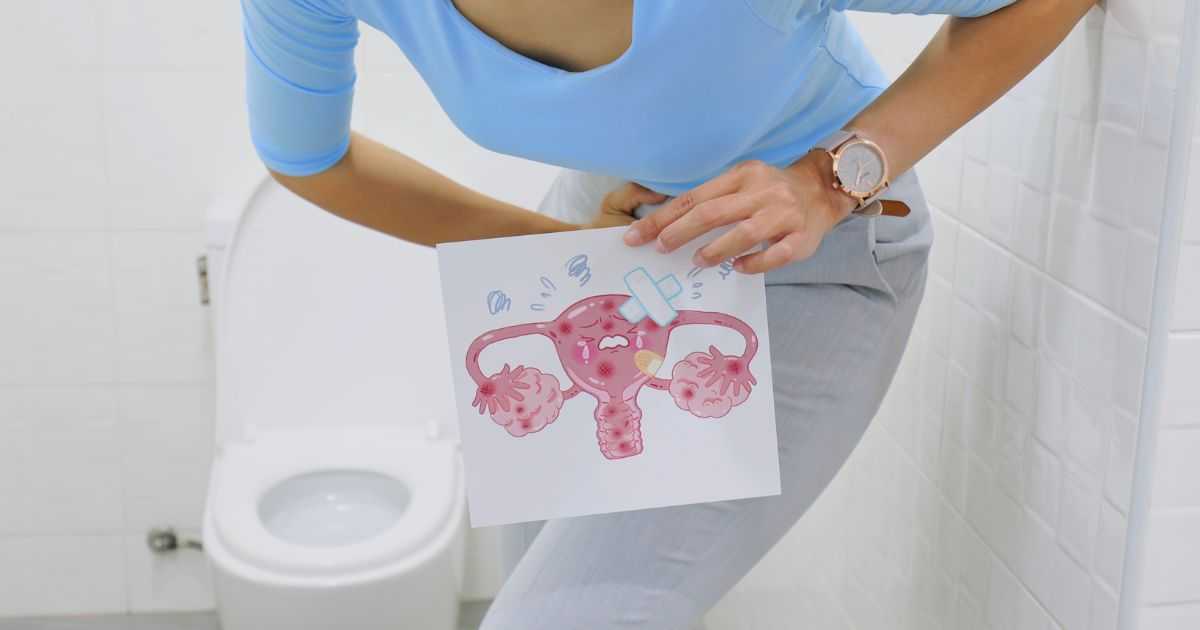
Depending on the size of ovarian enlargement and the severity of ascites, OHSS is generally classified as mild, moderate, or severe, with symptoms and treatment requirements varying by severity:
Mild ovarian hyperstimulation syndrome
Patients with mild OHSS usually have no noticeable symptoms. Most experience only mild abdominal bloating, small amounts of ascites, abdominal pain, and nausea. These symptoms usually resolve on their own within a few days and require only close monitoring, with no long-term effects on health.
Moderate ovarian hyperstimulation syndrome
In addition to worsening abdominal bloating and pain, patients with moderate OHSS may develop detectable ascites, diarrhea, decreased urine output, and rapid weight gain. Ultrasound can show ovarian enlargement of approximately 5–12 cm, along with detectable ascites. Prompt medical attention is recommended to prevent the condition from worsening.
Severe ovarian hyperstimulation syndrome
In severe OHSS, the ovaries may enlarge to more than 12 cm, accompanied by severe abdominal bloating and pain, large amounts of ascites, and difficulty breathing. In severe cases, there is also a risk of shock or blood clot formation (thrombosis). This condition requires immediate hospitalization for close monitoring and specialized treatment to ensure patient safety.
How can ovarian hyperstimulation syndrome (OHSS) be prevented? FAQs explained
Q: How can OHSS be prevented?
The most effective way to prevent OHSS is to reduce the dosage of ovulation-inducing medications, such as hCG and FSH, during controlled ovarian stimulation, which lowers the risk of excessive ovarian response.
When necessary, a freeze-all strategy may be adopted, in which all retrieved oocytes or embryos are cryopreserved and embryo transfer is postponed to a subsequent cycle. This approach avoids the continued ovarian stimulation that pregnancy would cause, which could prolong symptoms. It also allows earlier physical recovery and a faster return to health.
Q: What dietary precautions should be taken for ovarian hyperstimulation syndrome (OHSS)?
From a dietary perspective, it is recommended to drink at least 2,000 mL of water per day to help maintain fluid balance and promote metabolism. Moderate electrolyte supplementation can also be added to prevent dehydration. In addition, protein-rich foods such as seafood, meat, legumes, and dairy products can be included, as they may help alleviate discomfort and maintain good health.
Because OHSS may cause ascites and reduced urine output, it is recommended to follow a low-sodium, light diet. Avoid high-fat, high-salt seasonings or canned foods so as not to place additional strain on the body.
Q: How is ovarian hyperstimulation syndrome (OHSS) treated?
- Mild OHSS: usually requires only observation and home rest. Patients should maintain adequate hydration and get sufficient rest. If mild discomfort occurs, doctors may prescribe oral pain relievers or anti-nausea medications to help alleviate symptoms.
- Moderate OHSS: In addition to anti-nausea and pain medications, bed rest and electrolyte supplementation are required. Daily monitoring of weight, abdominal circumference, and urine output is essential to track changes. If anything unusual occurs, patients should return to the clinic as soon as possible.
- Severe OHSS: Severe cases require hospitalization. Treatment may include intravenous fluids, albumin injections, and ultrasound-guided drainage of ascitic fluid to relieve abdominal distension and discomfort. Preventive treatment is also needed for potential complications such as thrombosis and kidney failure.
Q: When is ovarian hyperstimulation syndrome (OHSS) most likely to occur?
OHSS usually develops around 3 to 5 days after egg retrieval. If pregnancy does not occur, symptoms generally subside gradually within about a week. However, if pregnancy is achieved, symptoms may last 2 to 3 weeks longer. During this period, it is recommended to closely monitor your condition and attend scheduled follow-up appointments.

Let TFC Taipei Fertility Center safeguard your journey to pregnancy!
Led by Dr. Chii-Ruey Tzeng, known as the “Father of IVF in Taiwan,” TFC Taipei Fertility Center is equipped with advanced, high-standard, high-quality laboratory facilities, designs a personalized treatment plan for every patient, and closely monitors progress to ensure that every step is precise and smooth.
TFC’s professional medical team, including experienced embryologists, nurses, and counselors, provides one-stop preconception care, offering psychological and nutrition counseling as well as traditional Chinese medicine clinic services. Accompanying you throughout in a comfortable environment, TFC helps you welcome a successful pregnancy with peace of mind.