













After an egg retrieval procedure, you may feel mild dull aching or bloating-related pain in the lower abdomen, or you may notice thirst, reduced urination, slight nausea, or shortness of breath. These reactions are caused by the ovaries’ response to the ovulation-stimulating medications.
A small number of women develop ovarian hyperstimulation syndrome (OHSS), with signs such as more noticeable abdominal bloating, a reduced appetite, decreased urine output, rapid weight gain, or labored breathing. If this happens, we recommend keeping a record of your bloating, fluid intake and urination, and weight gain. If swelling persists, or if you experience vaginal bleeding or a fever, please contact the doctor who managed your treatment so they can assess how to proceed. In general, mild symptoms improve gradually and there is no need to worry excessively. The following tips on diet and daily habits may help ease your discomfort.
What Should You Pay Attention to in Your Diet After Egg Retrieval?
1. Drink enough fluids, and consider electrolyte drinks so you are not waiting until you feel thirsty.

The American Society for Reproductive Medicine (ASRM) recommends drinking at least 1,000 to 2,000 ml of fluids per day (about 3,000 ml on average). Diluted electrolyte drinks are also an option. After ovulation-stimulating medications, estrogen levels rise sharply, which can cause fluid and electrolytes to shift from the blood vessels into the abdominal cavity. This may leave the blood vessels short of fluid or reduce blood flow to the kidneys, and may lead to noticeable dehydration and electrolyte imbalance. Staying well hydrated is therefore very important at this time.
2. Eat a balanced diet, with an emphasis on high-protein foods.
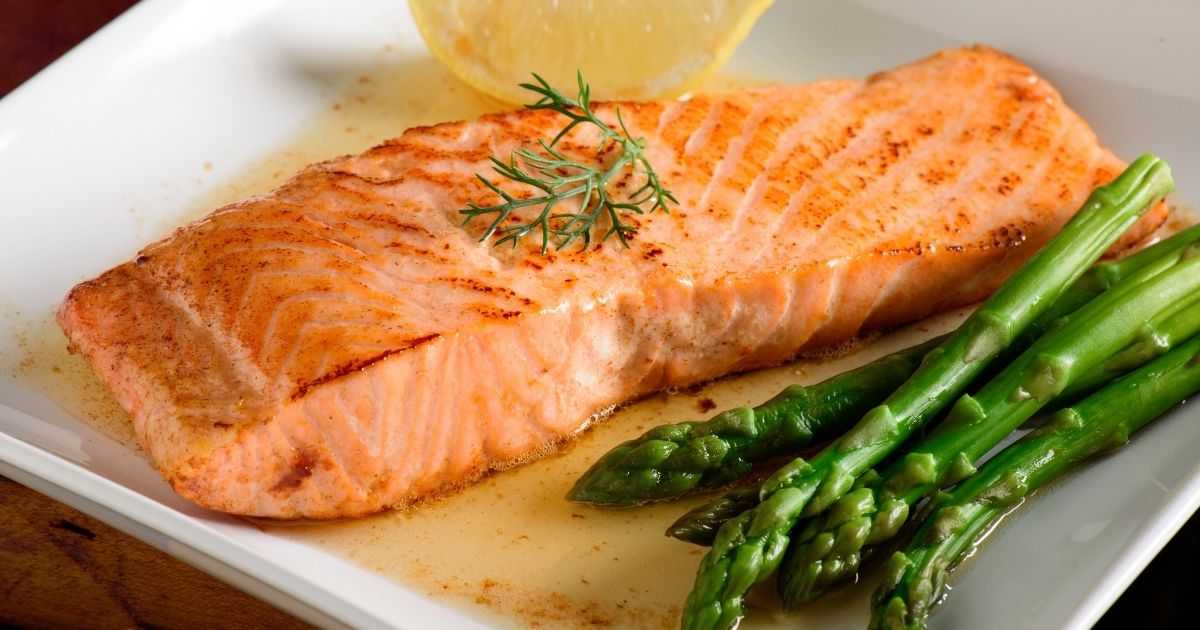
The purpose of a high-protein diet is that, once protein is digested and absorbed, it can increase the amount of solutes in the blood. These solutes help keep fluid inside the blood vessels, so it is less likely to leak into the abdominal cavity and add to swelling and discomfort.
Good protein sources include white meat (such as chicken, duck, and goose), fish (such as mackerel, salmon, and milkfish), and seafood (such as shelled shrimp, clams, and squid). In addition to high-quality protein, these foods provide omega-3 fatty acids, which are beneficial for cardiovascular health. Eggs are also a good choice. If bloating affects your appetite, you can get protein in liquid form, such as soy milk, fresh milk, or essence of chicken.
3. Avoid eating too much salt.
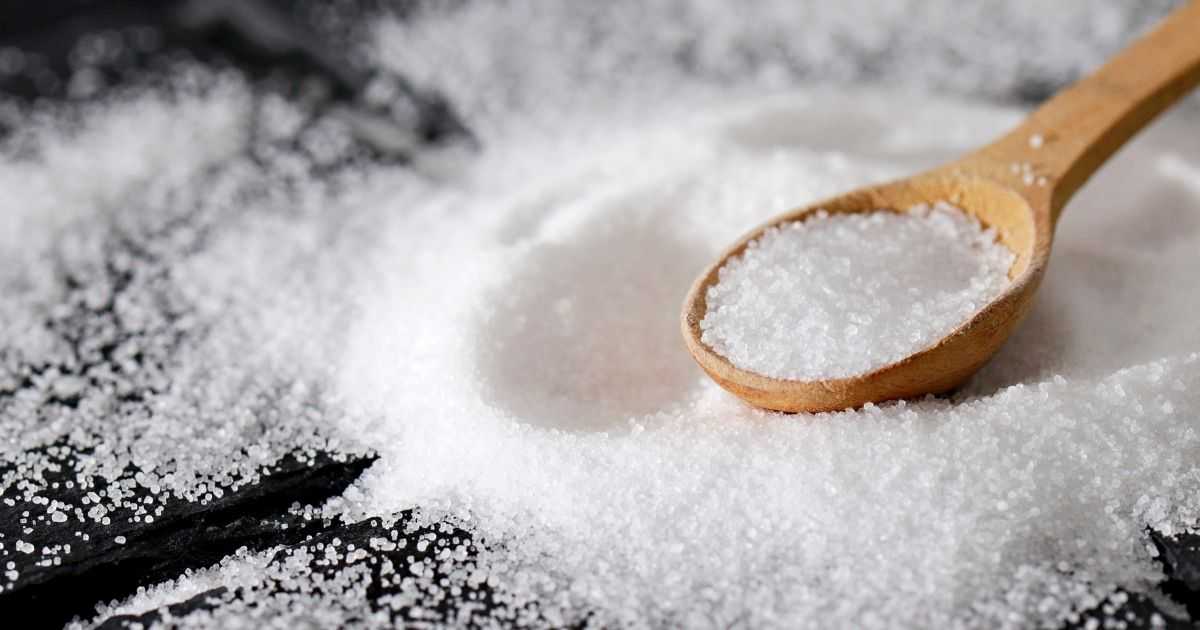
Heavily seasoned cooking methods (such as grilling or spicy hot pot) and processed foods often contain a lot of added salt, which makes it harder for the body to clear retained fluid. We suggest steaming, simmering, baking, or braising, and using natural herbs and spices for flavor, so your meals stay light and tasty without worsening bloating.
What Should You Pay Attention to in Your Daily Habits After Egg Retrieval?
- Avoid intense exercise, and do not massage or rub your abdomen.
- Get plenty of rest. Lying down is recommended, as it can increase blood flow to the kidneys and help the body clear retained fluid.
- Monitor and record changes in your weight and abdominal circumference.
A friendly reminder:
If bloating, nausea, or other discomfort persists, or if you have signs of OHSS, please contact your doctor or the fertility center as soon as possible, so our experienced and attentive doctors can assess your condition and decide how to proceed.