












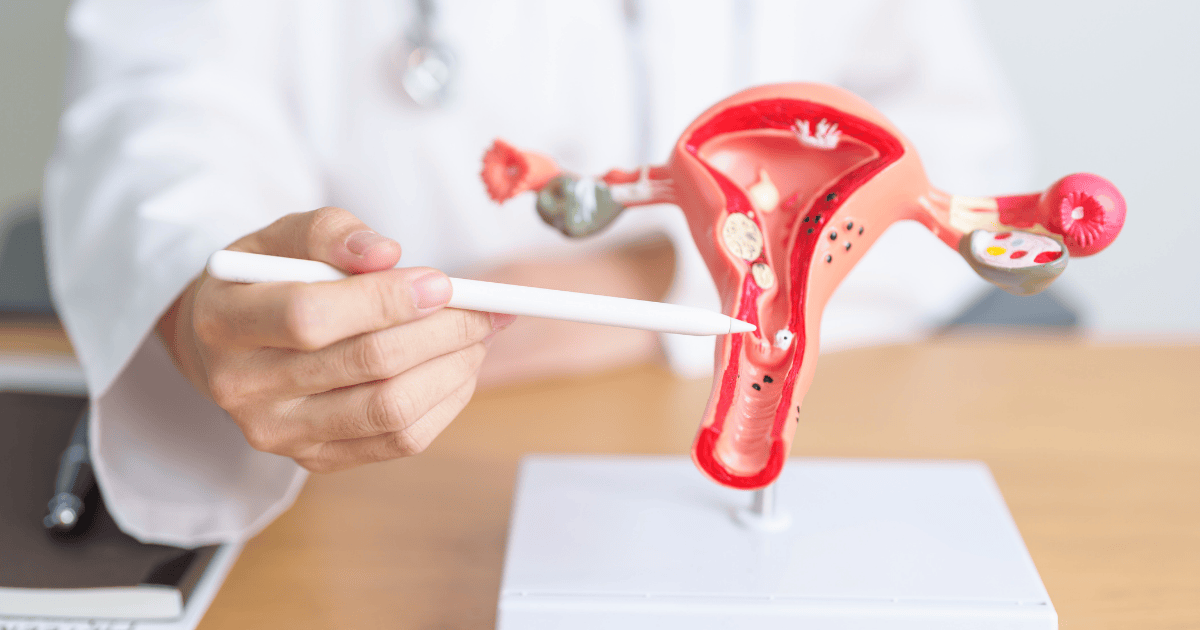
For a successful pregnancy, embryo quality and endometrial (the uterine lining) condition are equally critical.
The uterine environment functions as the "home" for the embryo, and it must reach an optimal thickness to allow for stable implantation and healthy embryonic development.
So, what is the ideal endometrial thickness for implantation? And what should you do if the lining is too thin or too thick?
This article will provide a detailed overview of normal endometrial thickness at different stages of the menstrual cycle, explore how abnormalities in the endometrium can affect implantation and pregnancy outcomes, and offer tips to improve endometrial health and optimize the chances of conception.
What is the function of the endometrium? Getting to know its importance for women's health
The endometrium is the innermost mucosal layer of the uterine wall, and its thickness varies throughout a woman's menstrual cycle. If pregnancy does not occur, the endometrial lining sheds during menstruation and is expelled as menstrual blood. On the other hand, when fertilization is successful, the endometrium maintains an adequate thickness to provide an ideal environment for embryo implantation and subsequent growth.
A healthy endometrial thickness not only increases the chances of successful pregnancy but also helps maintain regular menstrual cycles. Conversely, an abnormally thin or thick endometrium may lead to irregular bleeding and pelvic pain, so prompt medical evaluation is strongly recommended.

What is the normal endometrial thickness? It changes throughout the menstrual cycle
Endometrial thickness varies from person to person and fluctuates during the menstrual cycle. Generally, the normal range of endometrial thickness can be divided into three different phases of the menstrual cycle as follows:
-
Menstrual phase: During menstruation, the endometrial lining sheds and is thus the thinnest, typically around 5 mm.
-
Ovulatory phase: With increasing estrogen levels, the endometrium thickens in preparation for embryo implantation, usually measuring between 8 to 15 mm.
-
Luteal phase: As progesterone rises, the endometrium continues to thicken, averaging 10 to 15 mm, for an optimal embryo development environment.
What if the endometrium is too thick? What are the potential impacts?
Endometrial thickening results from various factors, including pathological changes, fibroids, polyps, or hormonal imbalances. Common causes include uterine polyps, submucosal fibroids, and conditions like polycystic ovary syndrome (PCOS). When the endometrium becomes excessively thick, it may cause irregular menstruation, abnormal bleeding, heavy menstrual flow, prolonged periods, or spotting outside the menstrual cycle, which can significantly impact daily life.
And some may wonder, what is the difference between "endometrial thickening" and "endometrial hyperplasia"? Though the terms may sound similar, they differ considerably. Endometrial thickening refers to an increased thickness observed on imaging studies and usually relates to physiological changes, like the normal cyclical thickening during the menstrual cycle, and thus is not necessarily pathological. In contrast, endometrial hyperplasia is a diagnosis confirmed by pathological examination, characterized by abnormal cellular proliferation and assessed for the risk of cancer progression.
Additionally, a commonly discussed condition is endometriosis, which occurs when endometrial tissue grows outside the uterine cavity. This ectopic tissue can cause localized inflammation, leading to painful menstruation (dysmenorrhea), lower abdominal pain, and pelvic discomfort. Endometriosis may also adversely affect the uterine environment, egg quality, and ovarian function, thereby increasing infertility risk.
What are the effects of a thin endometrium, and how can it be improved?
Endometrial thickness is a key factor in pregnancy success. If the lining is too thin (less than 7 mm), it may hinder embryo implantation and increase the risk of early miscarriage.
The ideal endometrial thickness is typically between 8 and 10 mm. During an ultrasound exam, the presence of the "triple-line sign" indicates an optimal uterine environment for embryo implantation, significantly improving the chances of conception.
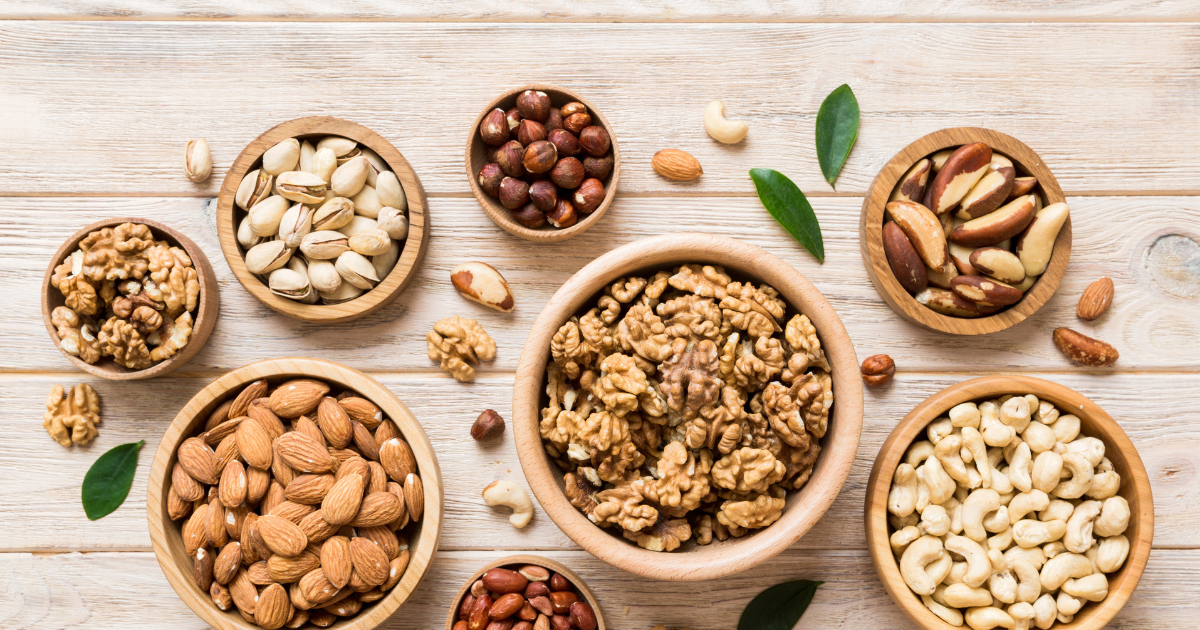
How to achieve the "triple-line sign" for optimal endometrial thickness?
Diet: Focus on a balanced diet rich in vitamin E and L-arginine, found in nuts, seeds, seafood, and whole grains. These foods have antioxidant properties and improve blood circulation, effectively enhancing endometrial thickness.
Lifestyle: Maintain regular sleep patterns, engage in moderate exercise, and manage stress levels effectively. These habits help regulate hormonal balance and can help address thin endometrium issues.
Traditional Chinese Medicine (TCM): Thin endometrium often correlates with weak Qi, blood deficiency, and poor circulation. TCM treatments such as herbal medicine, acupuncture, and cupping can nourish Qi and blood, boost blood flow, and nurture healthy endometrial growth—optimizing the uterine environment and significantly enhancing the chances of successful embryo implantation.

Looking to improve your endometrial thickness? Consult TFC Taipei Fertility Center's Traditional Chinese Medicine (TCM) Clinic!
TFC Taipei Fertility Center is Asia's flagship reproductive center, led by the "father of IVF" in Taiwan, offering integrated Western and Chinese medicine consultations. We provide personalized treatment plans tailored to each patient's individual needs, offering comprehensive support from egg and sperm quality enhancement to embryo transfer and prenatal constitutional care—guiding you every step of the way toward a healthier body and a successful pregnancy.
Our TCM clinic features consultations with multiple senior practitioners, who provide professional constitutional care tailored to individual fertility needs. From improving Qi and blood circulation to adjusting endometrial thickness, we comprehensively optimize the uterine environment, providing optimal support for embryo implantation. This helps every expectant mother reach the best possible physical condition to welcome new life.