












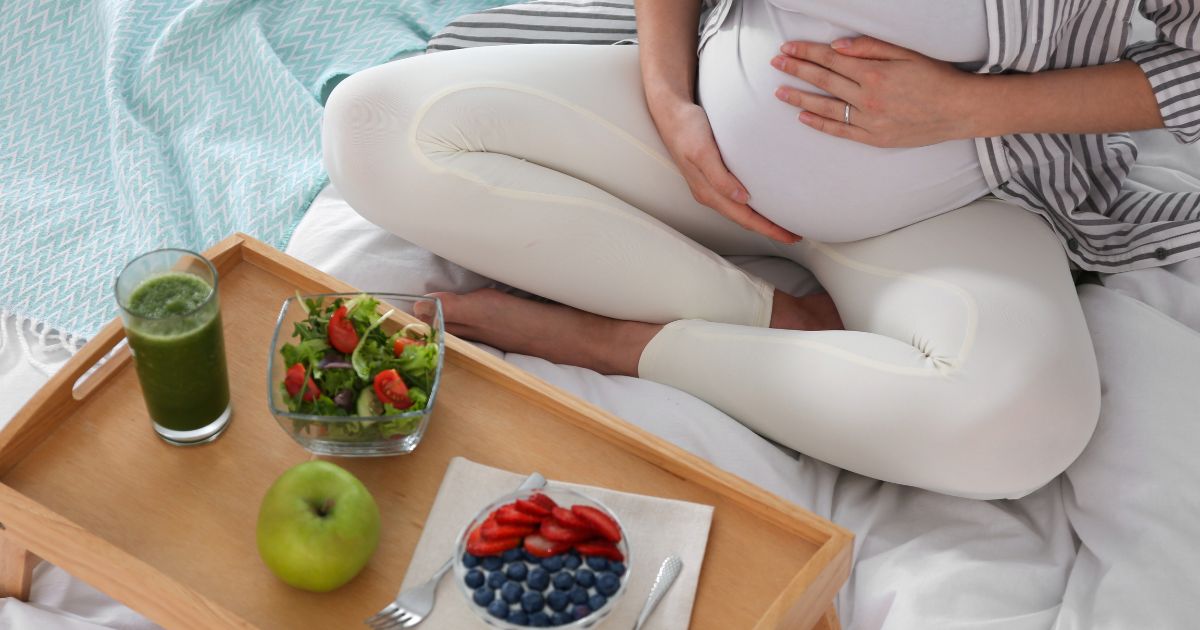
Before starting IVF treatment, it's essential to maintain good health and healthy lifestyle habits. Dietary management after embryo transfer is equally important and can significantly impact your chances of a successful pregnancy.
This article provides a detailed dietary and nutritional guide for pre- and post-embryo transfer, for mothers-to-be.
What to Prepare for Pre-Embryo Transfer? Endometrial Health Is Key
To boost IVF success rates, one of the most critical steps before embryo transfer is optimizing endometrial health and maintaining overall physical well-being—such as keeping a regular sleep schedule, getting sufficient rest, and engaging in consistent physical activity—all of which help reduce stress and support fertility.
Recommended Diet: The Mediterranean Diet
-
Eat plenty of vegetables and fruits
-
Choose whole grains as your main carbohydrate source
-
Limit red and processed meats; opt for fish, chicken, and other white meats instead
-
Use healthy fats such as monounsaturated fats (e.g., olive oil) as your primary cooking oil
-
Limit high-sodium foods
-
A nutrient-rich diet with high-quality protein and natural nutrients can help improve live birth rates in IVF and slow the aging of eggs and sperm.

Additionally, we recommend supplementing with the following three nutrients to support ovarian function and improve egg quality:
-
Vitamin D3: Supports ovarian function and helps enhance egg quality. Dietary sources include dairy products, mushrooms, egg yolks, and fatty fish like mackerel and salmon.
-
Folic Acid: Helps regulate irregular ovulation and supports early embryo development. Common food sources include whole grains, nuts, seeds, eggs, legumes, and animal liver.
-
CoQ10: An antioxidant that helps reduce free radicals, promotes egg maturation, increases ovulation rate, and improves egg quality.
What to Eat and Avoid After Embryo Transfer
Continue to maintain a balanced diet. Focus on high-quality protein, fresh fruits and vegetables, and whole, unprocessed foods.
Some women may experience constipation after the procedure. In this case, increasing intake of fiber-rich foods and staying well-hydrated can support digestion and metabolism.
When it comes to foods to avoid, steer clear of highly processed, fried, grilled, spicy, or alcoholic foods, which may be too stimulating for the body. It is also advisable to avoid cold or overly warming foods (in Traditional Chinese Medicine terms), such as barley, watermelon, iced foods and drinks, and sesame oil.
For regular coffee or tea drinkers, moderate daily consumption is generally acceptable and unlikely to place significant burden on the body.
Post-Transfer Reminders and 4 Frequently Asked Questions
Now that we've covered the key dietary guidelines after embryo transfer, let's take a closer look at four common concerns patients often have following the procedure.
Q: Can I exercise after embryo transfer?
After the transfer, the embryo is not yet stable in the uterus. To avoid overstimulating the implantation process, it is advisable to avoid high-intensity exercise such as weight training, spinning, or boxing cardio during the first two weeks.
Once the embryo has implanted and stabilized, you can gradually increase exercise intensity, starting with gentler activities like walking. If you are uncertain about your physical condition during early pregnancy, consider reducing your workout volume to half your pre-pregnancy level, or consult a healthcare professional for a personalized assessment.

Q: Is long-term bed rest necessary after embryo transfer?
Moderate activity helps promote healthy blood circulation. Prolonged bed rest or sitting for extended periods can impair circulation, increase the risk of blood clots, and negatively affect embryo implantation and fetal development.
Therefore, we recommend getting up to move around occasionally—such as going for a short walk—to maintain a basic level of physical activity, which can help improve your chances of a successful pregnancy.
Q: Can I return to work right after embryo transfer?
The post-transfer condition is similar to natural conception. In most cases, you can maintain your normal daily routine and return to work without any issues.
However, if your job involves heavy physical labor, high-intensity activities, or hazardous tasks, it is advisable to assess your physical condition and workload carefully to avoid compromising the stability of embryo implantation.

Q: How soon will I feel anything after embryo transfer?
Embryo implantation is a gradual process, and like natural conception, it usually does not produce any obvious symptoms. Some women may later experience early pregnancy signs such as slight changes in body temperature, fatigue, or frequent urination—though these vary from person to person.
Rather than relying solely on how you feel, we recommend attending your scheduled follow-up appointments and pregnancy test at the clinic for a more accurate confirmation.
Personalize Your Post-Transfer Nutrition Plan at TFC Taipei Fertility Center
At TFC Taipei Fertility Center, our Nutrition Clinic specializes in customized dietary planning for every stage—from preconception and pregnancy to postpartum. Our team of expert dietitians provides personalized nutrition guidance based on your individual health status and eating habits, covering everything from caloric needs to meal selection, helping you welcome your pregnancy journey with confidence.
If you have any questions about dietary planning before or after embryo transfer, or would like a personalized fertility nutrition plan developed by our professional dietitians and physicians, we warmly welcome you to consult TFC Taipei Fertility Center's Nutrition Clinic—where we are dedicated to crafting a customized fertility diet plan just for you.